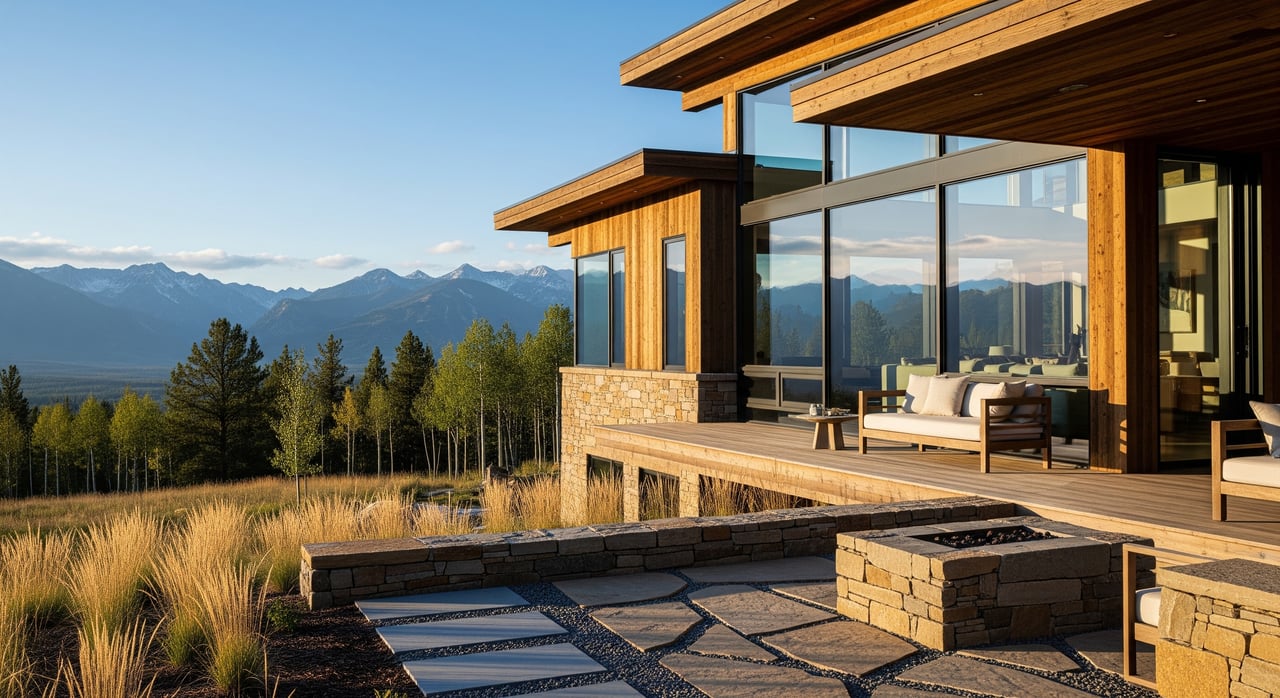
Thinking about trading city lights for alpine mornings and chairlift views? Moving to Big Sky is a lifestyle shift that rewards you with year-round outdoor access and a close-knit community, but it also comes with mountain-town logistics you will want to understand. If you are considering Big Sky as a primary or semi-primary home, you need clear insight into seasonality, housing, utilities, schools, healthcare, transportation, and local risks. This guide gives you practical, Big Sky specific details so you can plan with confidence and avoid surprises. Let’s dive in.
Big Sky at a glance
Big Sky is a small, mountain-resort community in Gallatin County with a mix of year-round residents and seasonal visitors. Winter brings a vibrant ski season and summer fills with hiking, biking, and fishing. Seasonal swings shape daily life, service hours, and road traffic. You can review visitor patterns and event calendars through the Big Sky Chamber of Commerce and general resort operations at Big Sky Resort.
Expect businesses and public services to scale up in winter and summer, then downshift in spring and fall. Neighborhoods near lifts and village amenities typically see more short-term guests during peak weeks. Quieter pockets exist, and a local advisor can help you pinpoint options that match your preferred pace.
Housing basics in Big Sky
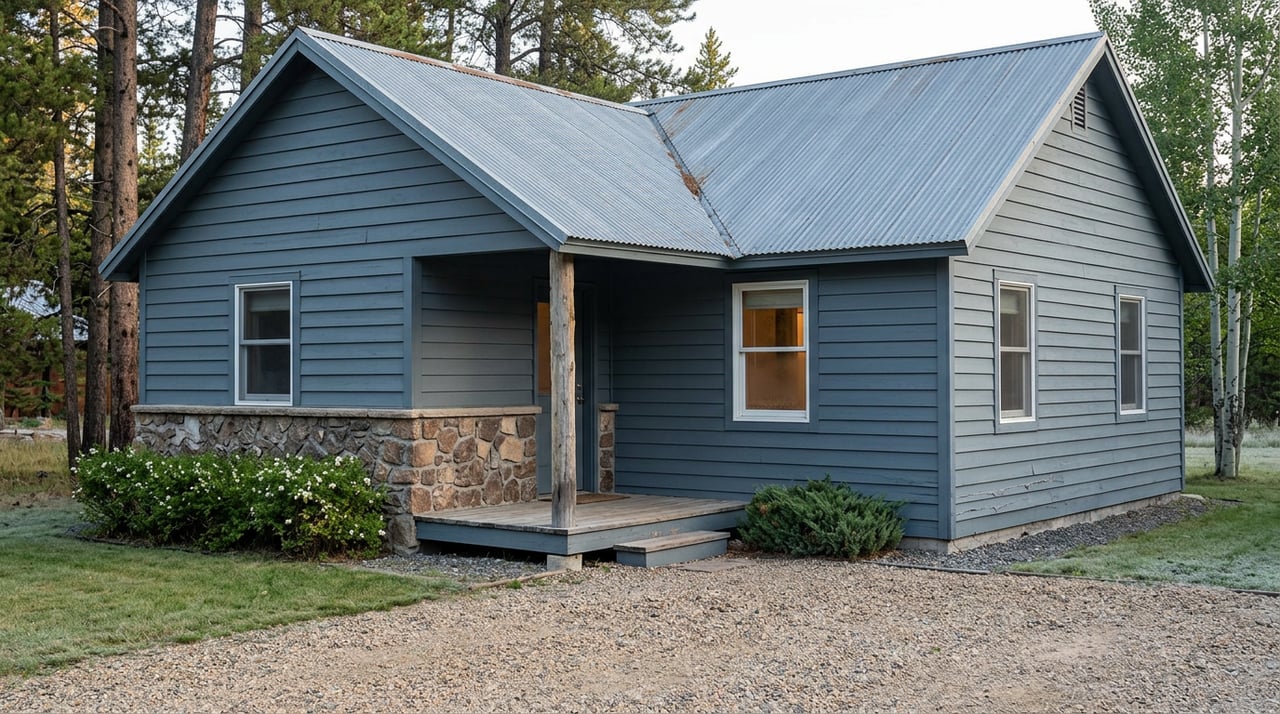
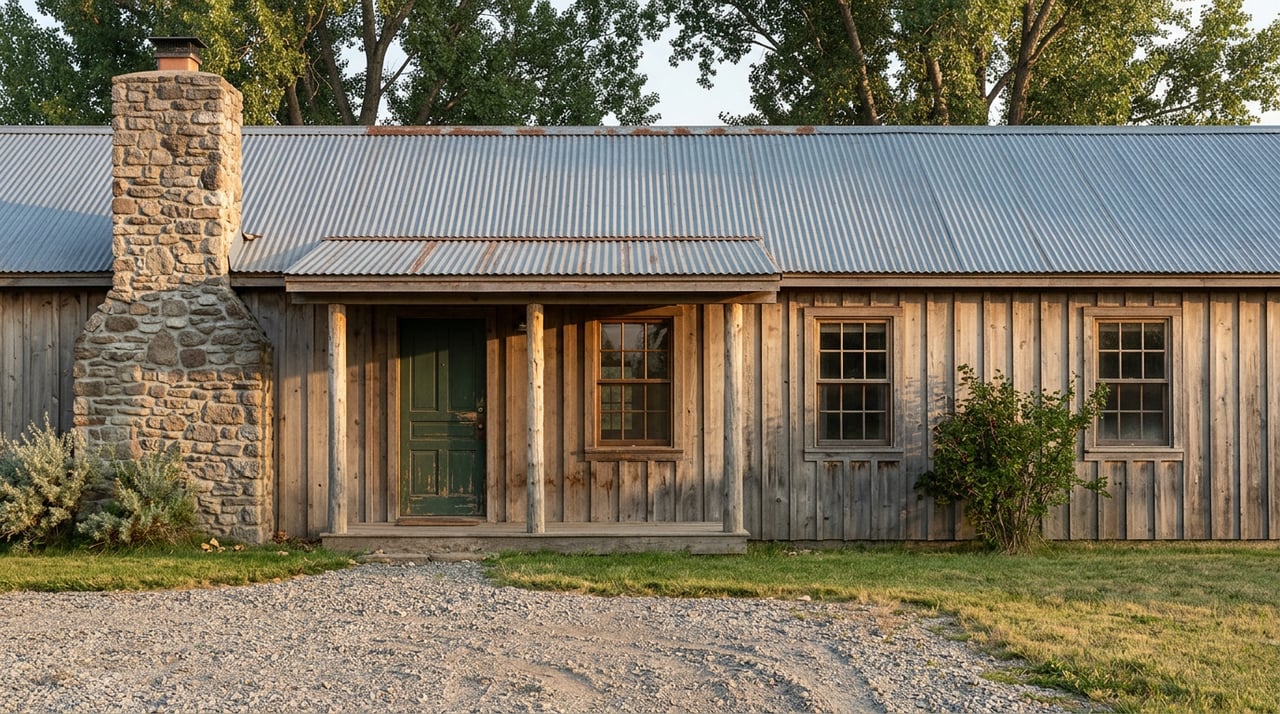
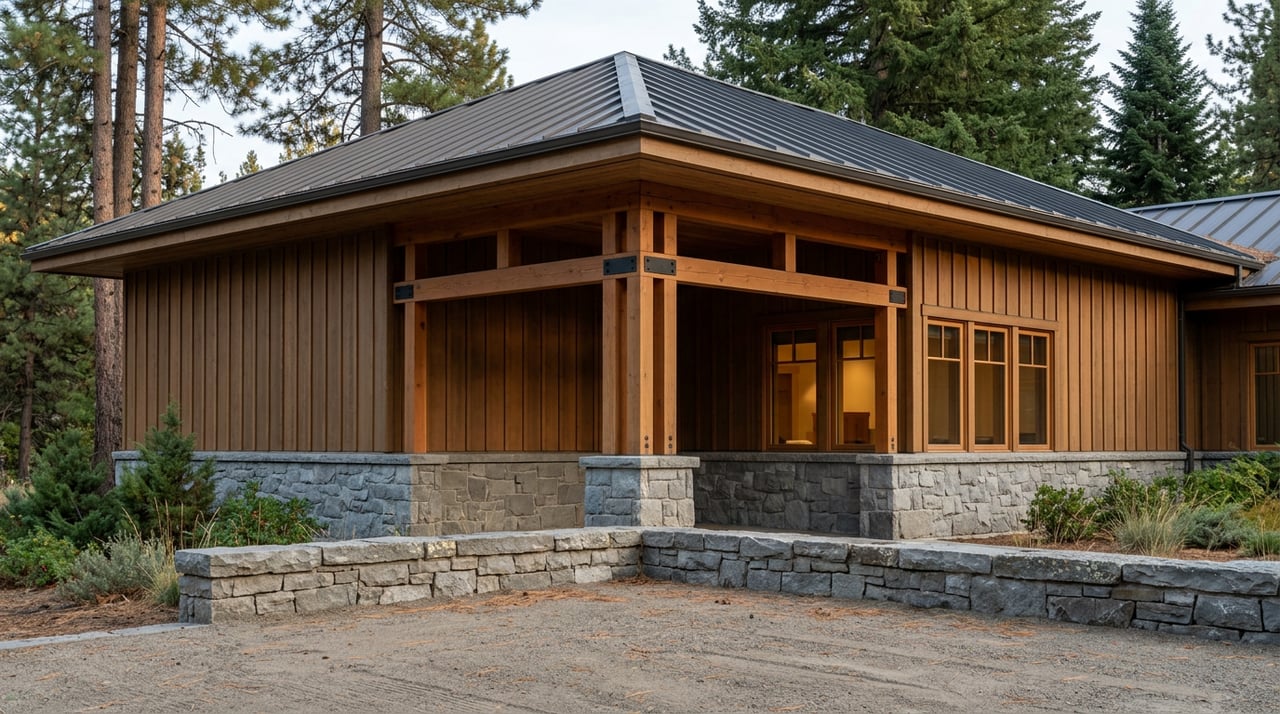
Big Sky offers a range of property types that fit different lifestyles and budgets. You will find single-family homes and cabins, condos and townhomes, gated or planned developments with shared amenities, and buildable land. Keep in mind that proximity to lifts, open space, and trail access can carry a resort premium.
Common home types
- Single-family mountain homes and cabins, from cozy retreats to custom estates.
- Condos and townhomes near Mountain Village and other residential clusters.
- Planned or gated communities with homeowner associations and amenities.
- Vacant land, which may require added due diligence on build costs, utilities, and terrain.
Market dynamics to expect
Inventory can be limited, and desirable properties often move quickly. Some neighborhoods have a high share of second homes and short-term rentals, which can affect the feel of the area at different times of year. If you are eyeing a new build or a major remodel, factor in terrain, permitting timelines, and contractor availability.
HOA, fees, and carrying costs
Many developments include HOA dues and amenity fees. Review covenants, short-term rental policies, and any past or pending special assessments. For taxes, consult the Gallatin County offices for current levies and property records, and plan to confirm the property’s tax history during your due diligence.
Development and utility constraints
Water and sewer access varies by neighborhood. Some homes connect to community or municipal systems while others use private wells and septic. Availability can influence build feasibility and cost. If you are evaluating land or a home with private systems, confirm details with Gallatin County Planning and request records from sellers.
Everyday services and utilities
Mountain living is more predictable when you verify key services upfront. A few checks can save you time and frustration later.
Water and sewer
Ask whether the property connects to a community or municipal system or relies on a private well and septic. Capacity and connection availability can constrain future expansion. For maps, standards, and permitting guidance, start with Gallatin County Planning.
Heat and power
Homes may use propane, electric resistance, heat pumps, or wood and pellet stoves. Natural gas is limited in many mountain communities. Ask for recent utility bills for a property you are considering and confirm tank ownership, delivery schedules, and power provider details.
Internet and cell coverage
Broadband access varies by address. Some areas have fiber, while others rely on fixed wireless or satellite. Cellular coverage can be patchy depending on carrier and location. Before you buy, validate service at the exact property using the FCC Broadband Map and by checking with local providers.
Trash, recycling, and mail
Trash and recycling pickup is neighborhood dependent. Some streets have curbside service while others use contract haulers. Mail is delivered to many areas, but rural parcels may require a PO box or centralized pickup. UPS and FedEx deliver widely, with some limitations for very remote access.
Schools, childcare, and healthcare
Schools and childcare
Big Sky offers local K–12 options in a smaller district setting. Some families choose programs in Bozeman for specific offerings. If schools are part of your decision, confirm enrollment options, capacity, and bus routes with resources from the Montana Office of Public Instruction, and plan ahead for daycare or early childhood wait lists.
Healthcare and emergency services
For hospital-level care and many specialists, Bozeman is the regional hub. Big Sky has local clinics and urgent care, and emergency response often involves EMS and air ambulance for major incidents. You can review regional providers through Bozeman Health. Winter weather can influence response times, so ask about typical conditions and mutual aid for your specific neighborhood.
Transportation and access
Getting here and getting around
Big Sky is primarily accessed via U.S. Highway 191 with connections to I‑90 near Bozeman. Winter brings snow and ice, and road or avalanche mitigation closures are possible on mountain passes. A capable AWD or 4WD vehicle with quality winter tires is strongly recommended, and you should be familiar with chain use if needed.
The nearest commercial airport is Bozeman Yellowstone International Airport. Drive time from Big Sky to BZN typically ranges from about 35 to 60 minutes depending on your location in Big Sky and road conditions. For routes and schedules, check Bozeman Yellowstone International Airport.
Local transit and resort shuttles
Many residents use personal vehicles for daily life. During ski season, village transit and shuttles connect lodging, lifts, and amenities. For seasonal operations and village connections, review transportation details at Big Sky Resort.
Risks and regulations to know
Wildfire and winter hazards
Big Sky’s forested setting and mountain weather require planning. Wildfire risk rises in summer, and creating defensible space and using fire-resistant materials are smart steps. You can explore preparedness resources from the Montana Department of Natural Resources and Conservation. Winter brings avalanche considerations for backcountry recreationists, and forecasts and education are available through Avalanche.org.
Building rules and permits
Steeper terrain, snow loads, and soils can increase construction complexity and cost. Before you buy land or make major changes, confirm zoning, setbacks, and permit timelines with Gallatin County Planning. Some properties are in wildlife corridors, which can influence fencing, outdoor lighting, and landscaping choices.
Short-term rentals
Short-term rental rules vary and can change. If you plan to rent, confirm licensing, occupancy, health and safety standards, and lodging tax obligations at the county or resort-area level. Review HOA covenants for any rental restrictions before you rely on projected income.
What life feels like month to month
Winter and summer feel busy and festive, while spring and late fall often quiet down. You will notice changes in restaurant hours, event schedules, and commute times across seasons. For event calendars and community updates, the Big Sky Chamber of Commerce is a helpful starting point.
If you prefer an active social calendar and easy access to lifts, living near Mountain Village or shuttle routes will appeal. If you value quieter nights, consider neighborhoods set back from resort hubs and popular trailheads. A local guide can help you match lifestyle to micro‑location.
Pre-move buyer checklist
Use this checklist to organize your due diligence and avoid surprises.
- Confirm water and sewer: municipal or community connection versus private well and septic, with records on file.
- Verify year-round road access and who maintains the access road, including plowing schedules and snow storage.
- Ask about driveway grade, typical winter access, and any private road agreements.
- Inspect heating systems and fuel type, and request recent utility bills to benchmark seasonal costs.
- Review HOA covenants, rental policies, reserve funds, and any special assessments.
- Check deed restrictions and zoning that could affect future use or expansion with Gallatin County Planning.
- Validate broadband and cell service at the exact address using the FCC Broadband Map and by contacting providers.
- Discuss homeowners, liability, and umbrella insurance with local carriers, including wildfire and winter-storm coverage.
- If building or remodeling, budget for geotechnical, erosion control, stormwater, and septic design where required.
- If you plan to rent, confirm current short-term rental licensing and tax rules, and verify any HOA restrictions.
How a local advisor helps
Big Sky is a market where details at the parcel level matter. Address-level internet, driveway slope, snow storage, water and sewer capacity, and road maintenance can make two similar homes live very differently. A local guide helps you compare neighborhoods, understand seasonal rhythms, and see around corners on utilities, permits, and potential risks.
With decades of local experience and a calm, concierge approach, Julie Blakeley helps you weigh tradeoffs, spot value, and move with confidence. Whether you are looking for a ski-friendly condo, a quiet mountain home, or land for a custom build, you will have a clear plan from first look to closing.
Ready to explore homes, neighborhoods, and timing that fit your life in Big Sky? Connect with Julie Blakeley to start a tailored search, request a valuation, or Receive Listings in Your Inbox.
FAQs
How far is Big Sky from the Bozeman airport?
- Drive time from Big Sky to Bozeman Yellowstone International Airport is typically about 35 to 60 minutes depending on where you live in Big Sky and current road conditions, according to Bozeman Yellowstone International Airport.
What internet options can I expect in Big Sky?
- Availability is address-specific and may include fiber in some areas, fixed wireless, or satellite for more remote homes, and you can confirm providers at your exact address using the FCC Broadband Map.
Where do residents go for hospital care and specialists?
- Big Sky has local clinics and urgent care, while hospital-level and specialized services are in Bozeman through the regional Bozeman Health system.
What should I know about wildfire and winter hazards?
- Summer brings wildfire risk that calls for defensible space and fire-resistant materials, and winter recreation requires avalanche awareness, with guidance from the Montana DNRC and forecasts at Avalanche.org.
Do neighborhoods in Big Sky allow short-term rentals?
- Rules vary by county, resort-area jurisdiction, and HOA, so you should confirm current licensing, tax obligations, occupancy limits, and any HOA restrictions before relying on rental income.
How do schools work for families moving to Big Sky?
- Big Sky has local K–12 options within a smaller district, and some families choose Bozeman programs for specific offerings, so review enrollment options and transportation details with the Montana Office of Public Instruction.