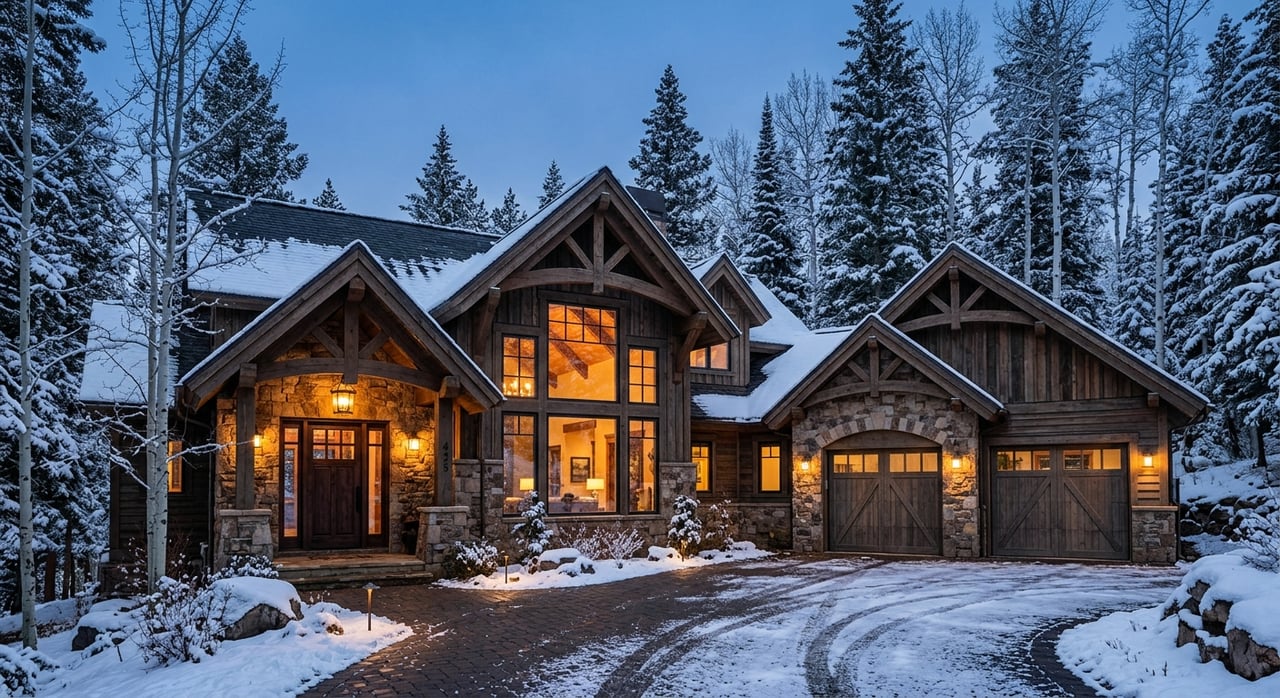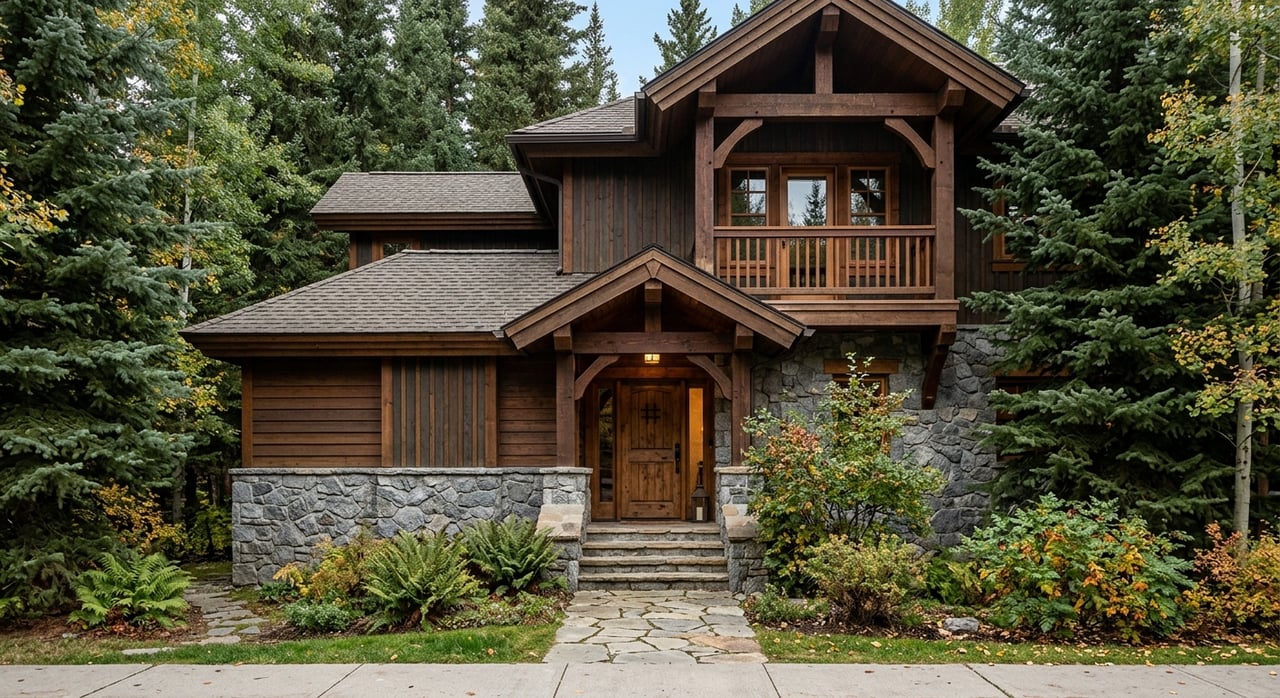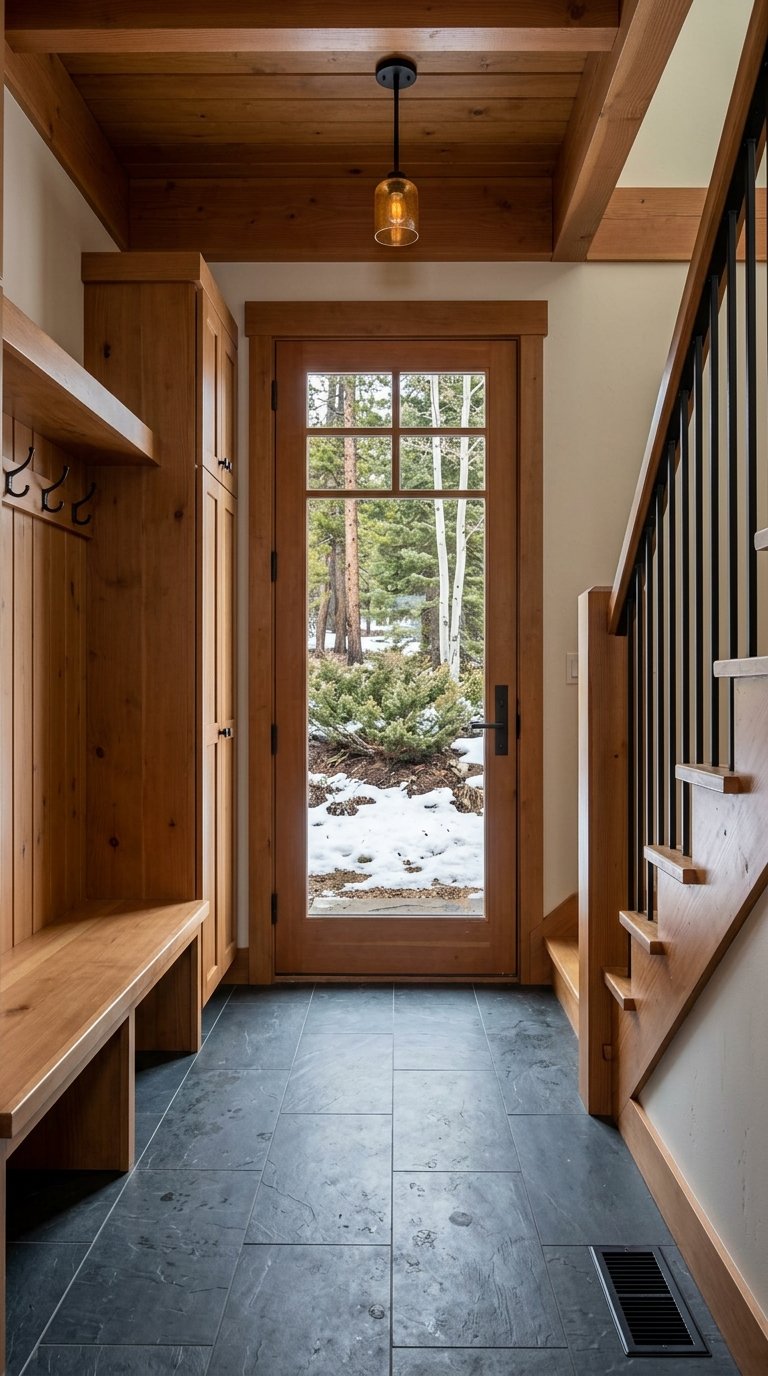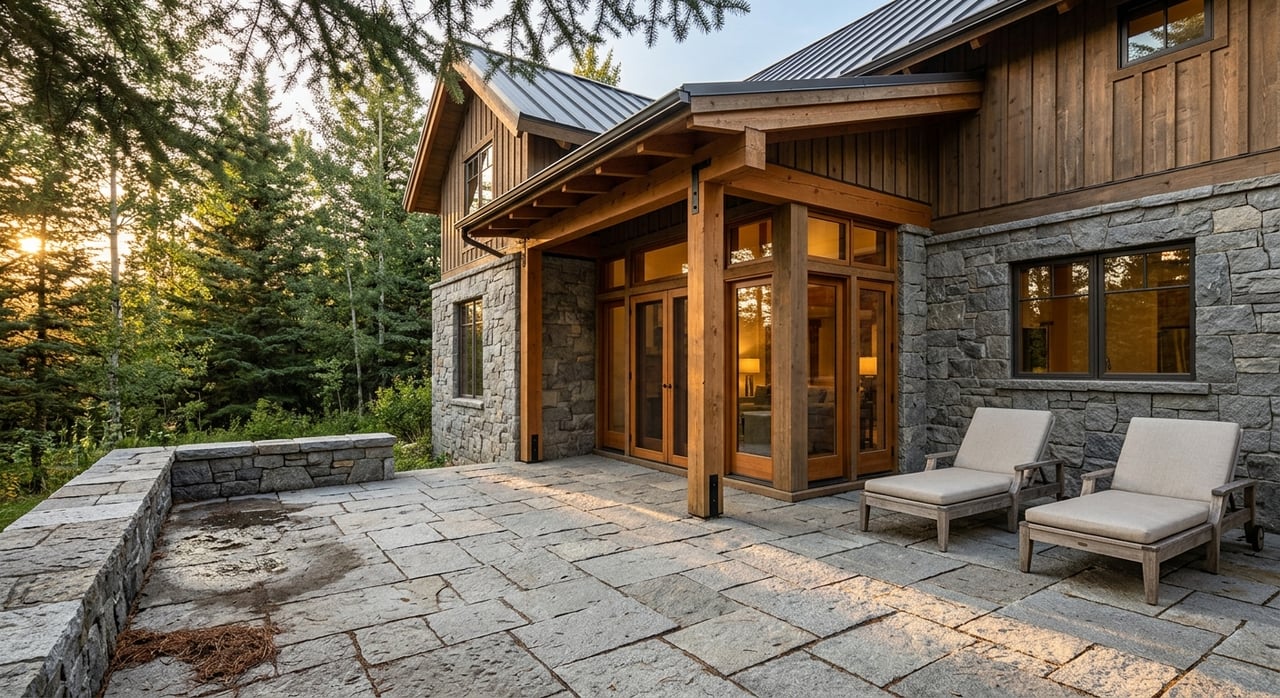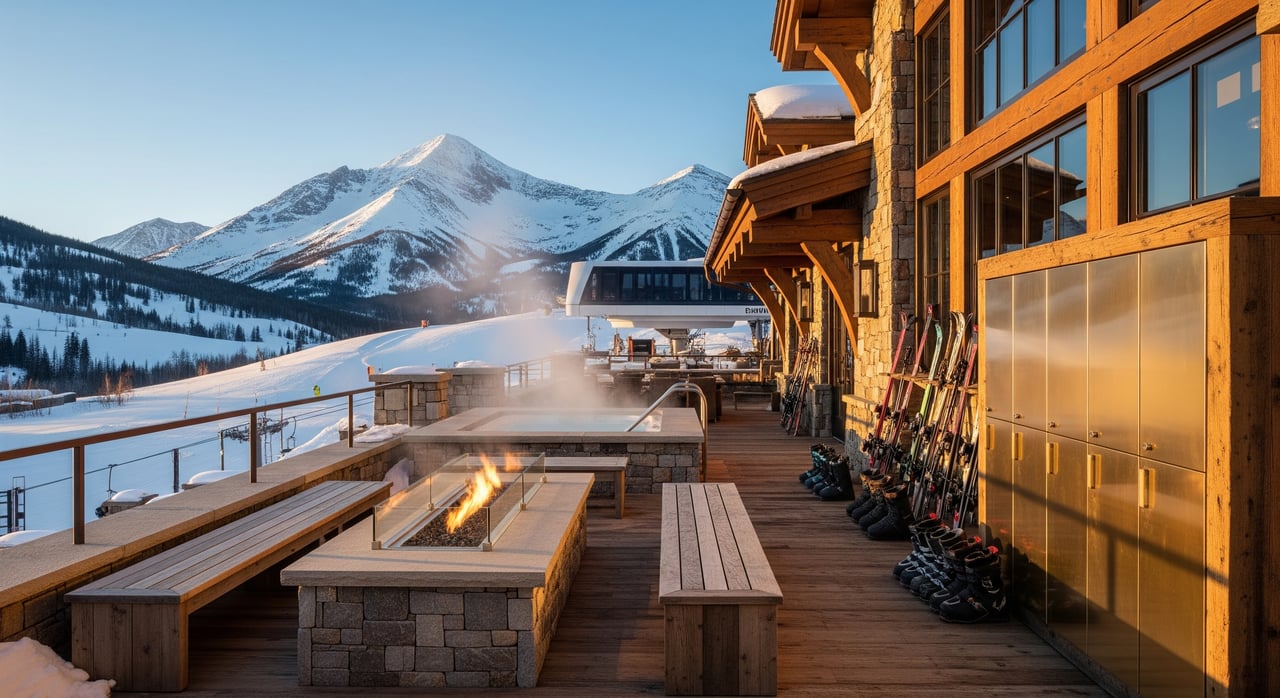
Wondering how Big Sky’s private ski clubs really work? If you are weighing privacy, service, and exclusive ski access, it can be hard to separate glossy marketing from what membership actually means day to day. This guide gives you a clear, practical overview anchored to Spanish Peaks, with neutral comparisons to other private options so you can decide if the lifestyle fits. Let’s dive in.
Private ski clubs defined
Private ski clubs in Big Sky are membership-based residential communities. Your property sits inside a club boundary, and your access to amenities flows from club membership rather than a public resort ticket or pass. Amenities often include private ski terrain or lifts, golf, clubhouses, dining, spa, and concierge services.
They are not just gated neighborhoods. The club structure is central, with membership rules, initiation and dues, and board governance guiding how services are delivered and who may use them.
How clubs differ from public resort areas
- Access: Public resorts sell lift tickets and season passes to anyone. Private clubs limit ski and on-mountain amenities to members and their guests.
- Governance: Private clubs operate under bylaws, membership agreements, and a club board. These sit alongside any HOA rules.
- Costs: Clubs usually require a one-time initiation fee, annual dues, and sometimes special assessments. Public neighborhoods typically only have HOA dues.
- Inventory and resale: Club properties are limited in number. Resales may involve club approval or transfer rules.
- Services and lifestyle: Private clubs emphasize concierge services, privacy, and curated social programming. Public resort areas rely on open-market services and events.
Spanish Peaks overview
Spanish Peaks Mountain Club sits within the Big Sky area, ZIP 59730. It is a members-only mountain community known for privacy, on-site infrastructure, and a ski and golf lifestyle that is separate from the public resort base areas.
Spanish Peaks focuses on a calm, controlled environment. You can expect limited public traffic within club facilities, member-oriented programming, and on-mountain access reserved for members and guests.
Typical amenities at Spanish Peaks
- Members-only ski access and mountain facilities, including private lifts or controlled runs.
- Clubhouse spaces with dining, lounges, locker rooms, and event venues.
- Fitness, spa, and wellness services, plus dedicated ski valets and storage.
- Winter and summer activities such as nordic trails, guided options, hiking, and club events.
- Real estate options including homesites, custom homes, and condos or townhomes, many positioned near ski access or club amenities.
- Concierge-style services for owners, from housekeeping to private events.
Membership structure to expect
In many private clubs, membership is separate from real estate ownership. Clubs often require approval, an initiation fee, and ongoing dues. Some clubs distinguish between deeded and non-deeded memberships, and may offer category tiers such as social or full ski. Guest policies, any reciprocal privileges, and application steps vary and are set by the club.
Membership basics across Big Sky clubs
Memberships at private mountain clubs commonly involve three cost elements: a one-time initiation fee, annual dues, and potential special assessments for capital projects or unforeseen shortfalls. Payment and transfer models differ. In some cases you purchase a membership with a property, while other clubs limit membership counts or sell them separately.
Member rights and limits are defined by the club. These include ski access rules, guest limits, and any voting rights. Transfer policies often require club approval, and some clubs hold rights of first refusal or charge resale fees.
Rights, rules, and transfers
- Membership documents outline where and when you can ski, and how many guests you may host.
- Bylaws and CC&Rs govern property use and member conduct inside the community.
- Deeded memberships may run with the land on resale, while non-deeded models function more like a license.
- Clubs often review and approve transfers. Resale and right-of-first-refusal policies are common.
Amenities and services to expect
Beyond ski access, many private clubs offer:
- Private lifts or dedicated access points, groomed member runs, and on-mountain lodges.
- On-site golf at certain clubs, plus fitness and spa facilities.
- Childcare or children’s programs, restaurants, and a curated social calendar.
- High-touch services such as ski valets, property management coordination, and private transportation assistance to and from the airport when available.
The goal is simple: smooth logistics, a quieter on-mountain experience, and staff that knows you by name.
Due diligence checklist
Before you buy in a private club, request and review:
- Membership packet and current club documents, including bylaws, CC&Rs, rules, and guest and transfer policies.
- Recent club financials, reserve study, audits, and the history of special assessments.
- A full fee schedule: initiation, annual dues, recent increases, and any assessment forecasts.
- Membership availability and transfer rules, including waitlists and approval steps.
- A title search plus any easements or rights-of-way that affect ski access or property use.
Practical verifications to line up:
- Property systems and access: well and septic details, snow-removal agreements, driveway and private road maintenance, and winter access plans.
- Insurance: quotes for homeowners and liability, wildfire mitigation requirements, and replacement-cost planning for mountain construction.
- Lender conversations: confirm financing options and any lender limitations related to club properties.
- Tax counsel: understand what is and is not deductible, plus any transfer or local tax considerations.
- Trial visit: if possible, stay in the community or visit with a member to gauge fit and service expectations.
Big Sky logistics and costs
Big Sky’s primary commercial gateway is Bozeman Yellowstone International Airport. Drive time to Big Sky typically runs about 45 to 60 minutes, depending on weather and your exact destination. In winter, plan for variable conditions and confirm your arrival schedule with that in mind.
Local services are more limited than in a large city. Consider your plans for health care access, schools, and retail staples if you intend to live full time. Many mountain properties use wells, septic systems, and private roads. Ask who handles maintenance, snowplowing, and emergency access.
Private-club properties often sell at a premium to non-club homes due to scarcity and access. Financing can be different too. Many buyers purchase with cash, and some national lenders avoid club-restricted properties or require additional underwriting. Insurance for mountain homes can carry higher premiums because of wildfire exposure and replacement costs. It is smart to review coverage early and understand any community mitigation measures.
Privacy is a core draw. Expect gated access, security staff, and controlled on-mountain entry. That said, privacy is not absolute. Staff, maintenance crews, and club events mean there will be activity. If privacy is a priority, evaluate sightlines, buffer lots, and short-term rental policies within specific neighborhoods.
Lifestyle fit questions to ask
- Will you use the club year-round, or is this a winter-focused second home?
- Do social calendars and member programming match your expectations for community and events?
- Will full-time living fit your needs for schools, health care, and daily services, or does seasonal use make more sense?
- Do you value concierge and property management services that reduce hands-on ownership?
Being clear on your goals helps you choose the right home type, location inside the club, and membership category.
Comparing private options
Spanish Peaks is one of a small number of private or member-oriented communities in the Big Sky region. Other nearby options exist with different structures and offerings. The Yellowstone Club is one of the most well-known private residential ski clubs in the United States, with limited membership, extensive private mountain access, and a higher price point for both real estate and membership.
When you compare clubs, look at:
- Initiation and ongoing costs, plus any assessment history.
- Membership transfer rules and whether membership is deeded or license-based.
- The scale of private ski access, including lifts and terrain.
- Governance and voting rights.
- Resale activity and any club approval steps for buyers.
- Cultural fit and the rhythm of member programming.
Next steps
If a private-club lifestyle in Big Sky appeals to you, start with documents and logistics. Request the membership packet, fee schedules, financials, and rules. Line up insurance quotes, speak with lenders who understand club properties, and plan a trial visit during peak season to see how the culture feels.
You do not have to make these decisions alone. For calm, discreet guidance backed by decades of local experience, connect with Julie Blakeley. She can walk you through Spanish Peaks and other private options, curate properties that match your goals, and help you make a confident choice.
FAQs
What is a private ski club in Big Sky?
- A membership-based residential community where amenities like ski access, clubhouses, and services are reserved for members and their guests.
How does Spanish Peaks differ from public resort areas?
- Access, governance, and costs are membership-driven, with private ski facilities and club rules instead of public lift tickets and general resort services.
How long is the drive from the airport to Big Sky?
- Typical drive time from Bozeman Yellowstone International Airport to Big Sky is about 45 to 60 minutes, depending on weather and destination.
Are memberships included with property purchases?
- Policies vary by club; some memberships are purchased with a property, while others are separate and may be limited in number.
What costs should I expect beyond the home price?
- A one-time initiation fee, annual dues, and possible special assessments, as outlined in the club’s fee schedule and financial documents.
Can I finance a home inside a private club?
- Yes in many cases, but lender programs vary and some national lenders avoid club-restricted properties, so speak with experienced lenders early.
What documents should I review before joining?
- The membership packet, bylaws, CC&Rs, rules, fee schedules, guest policies, financials, reserve study, and any assessment history.
What privacy and security features are common?
- Gated entries, security staff, and controlled on-mountain access, with the understanding that staff and events mean some regular activity within the community.