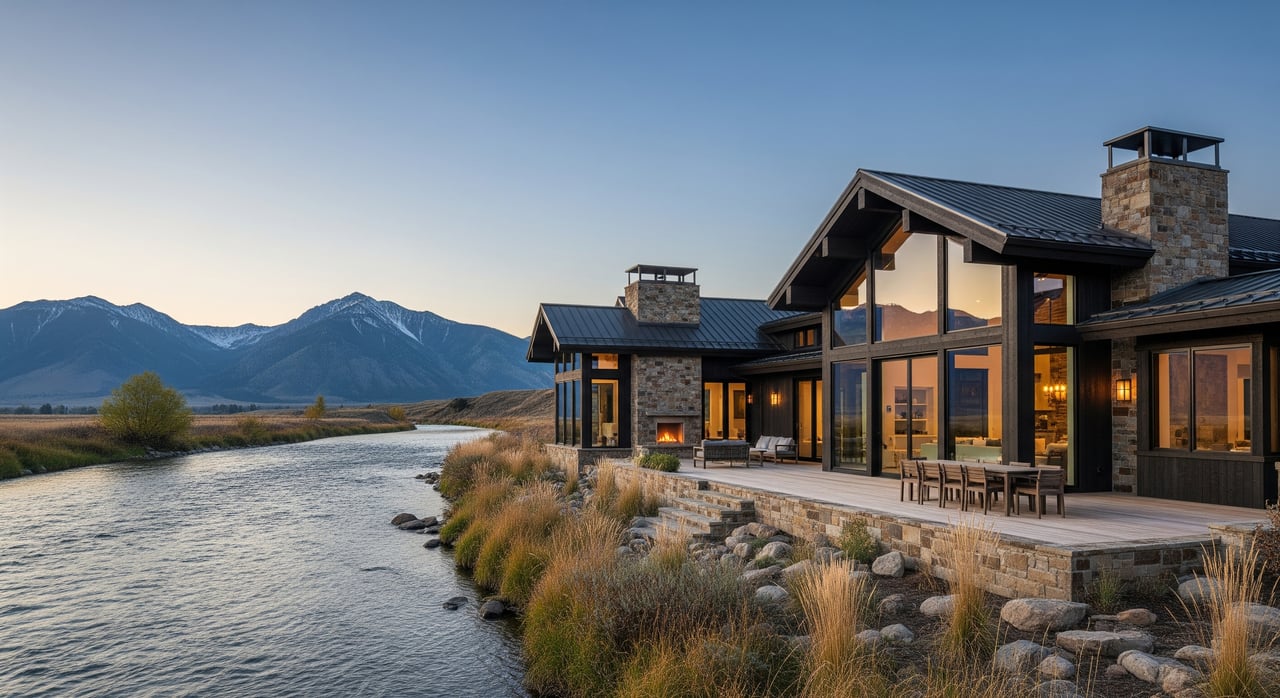
Thinking about a home along the Gallatin River where you can trade city noise for canyon views and trailheads? If you love quiet, scenery, and easy access to Big Sky and Bozeman, Gallatin Canyon can be a great fit. You should also know what day-to-day life looks like in a rural corridor where winter weather, utilities, and services work a little differently. This guide covers access, amenities, lifestyle, housing types, and practical steps to help you decide with confidence. Let’s dive in.
Where Gallatin Canyon sits
Gallatin Canyon runs along US‑191 between Bozeman and Big Sky, with Gallatin Gateway as one of the key settlements. It functions more like a scenic corridor than a dense town center. You get privacy, larger lots, and river proximity, but daily errands often mean driving to Bozeman or Big Sky.
From the canyon, typical drive times to Bozeman and the airport range from about 25 to 40 minutes, depending on traffic and winter conditions. Big Sky Town Center and Mountain Village are often 20 to 35 minutes away. Those ranges stretch in storms, so plan with a margin.
Access and commute
US‑191 through the canyon is managed by the Montana Department of Transportation. In winter, you may see chain or tire restrictions, plus slowdowns for snow removal, avalanche mitigation, and rockfall work. Weather can create temporary delays or closures, especially during major storms or spring runoff.
Emergency services take longer than in urban areas, and the nearest full‑service hospital is in Bozeman. Big Sky has urgent care and clinic services with more limited inpatient capabilities. If you have specific medical needs, factor this into your location choice and drive-time planning.
Year-round living and winter logistics
Most canyon residents plan for AWD or 4WD vehicles and quality winter tires. Driveway plowing and private lane maintenance are recurring costs, and you should verify who maintains any private road serving your property. For public roads, understand county plowing schedules and how they interact with MDT operations on US‑191.
If you are considering new construction or a more remote parcel, think about winter access for builders, propane delivery, and emergency vehicles. Snow loads, roof design, and backup power planning are common design considerations. Reliable year‑round access adds value and improves daily livability.
Recreation on the Gallatin
The Gallatin River is a celebrated trout fishery with wild brown and rainbow trout. Anglers need a valid Montana fishing license and should follow seasonal and river‑specific regulations. Spring runoff typically brings high flows and colder water, so practice wading and boating safety.
You will see guided rafting, private kayaking, and packrafting on appropriate sections of the river. Difficulty varies by section and season. Local guide knowledge and safety gear matter, especially during peak runoff.
Trails and ski access
Trailheads along the canyon and nearby side canyons connect you to hiking, mountain biking, hunting, snowshoeing, and snowmobiling. You also have access points to the Lee Metcalf Wilderness and other federal lands for multi‑day adventures. Conditions vary by year, so check seasonal restrictions and fire rules.
Big Sky Resort is the nearest major alpine ski area for downhill access. Nordic and backcountry touring options exist in the region as well. Your exact access and snowpack will depend on the year and where you are in the canyon.
Amenities and services
Immediate services within the canyon are limited. For full grocery, specialty retail, and many professional services, you will drive to Bozeman or Big Sky. Plan regular trips for bulk shopping and errands.
For healthcare, urgent needs can be handled in Big Sky, while inpatient and specialist care are in Bozeman. If schools are part of your plan, note that public school assignments depend on districts and your specific address. Rural bus routes can be longer, so ask about pick‑up points and schedules.
Housing and land options
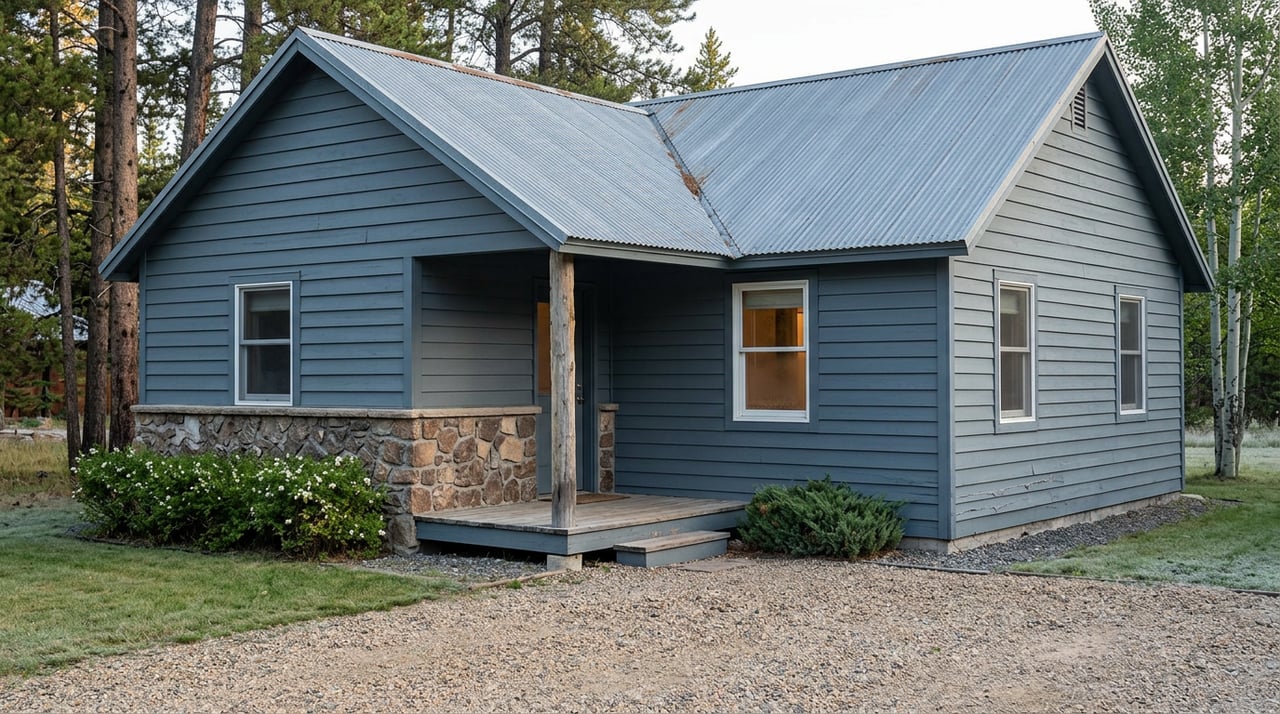
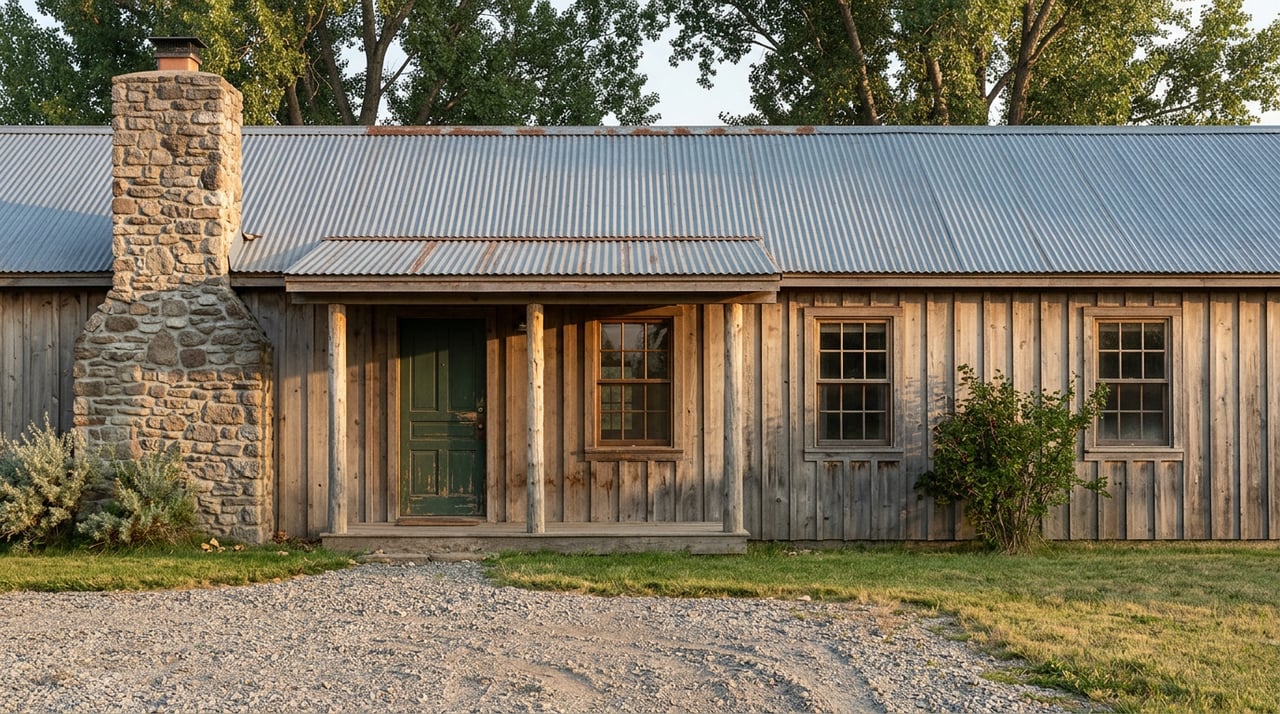
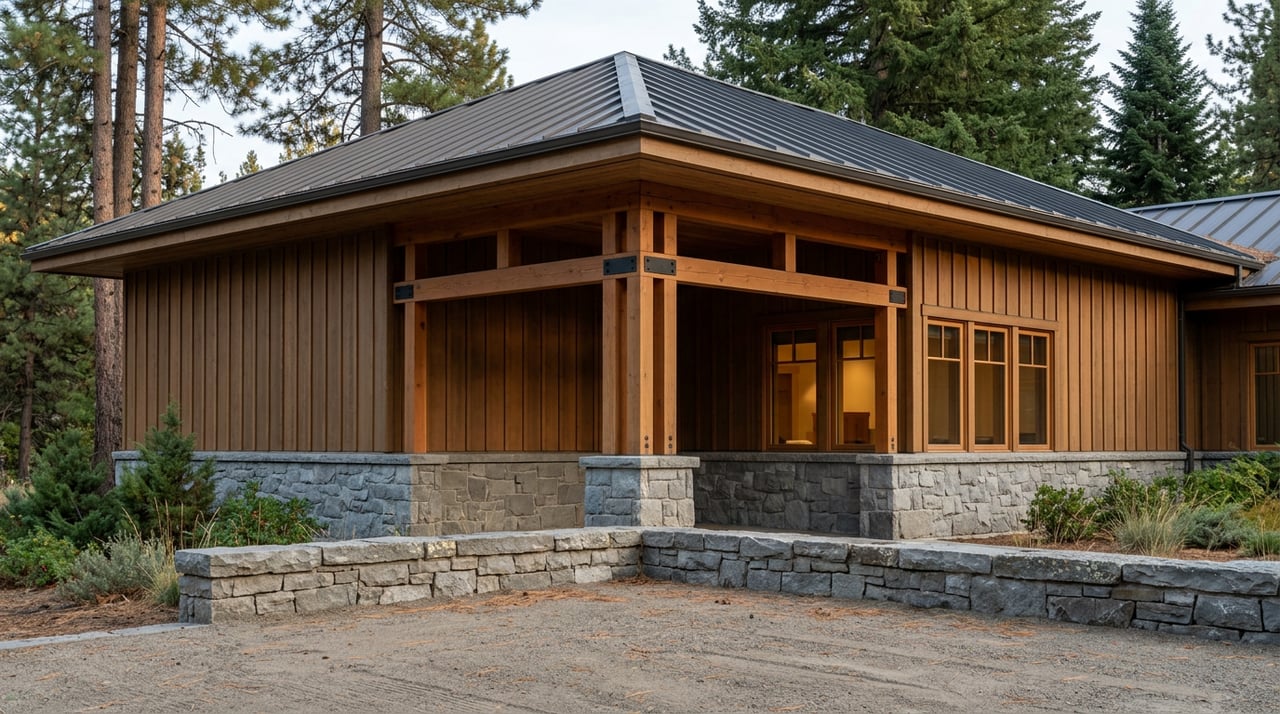
You will find a wide mix of housing: historic or rustic cabins, log homes, A‑frames, and custom “mountain modern” builds. Some properties are seasonal cabins that have been upgraded for year‑round use. Others are newer custom homes designed for full‑time living.
Parcels are typically larger than suburban lots. Many are acreage or multi‑acre, with lower density as you move south from Bozeman. You will also see rural ranchettes, plus a few planned subdivisions and HOA communities closer to Big Sky.
The canyon submarket reflects demand tied to Bozeman and Big Sky. Inventory is often tight, especially for riverfront or view lots with year‑round access. Sellers should consider that buyer pools can be niche, including a mix of seasonal and full‑time buyers.
Utilities, internet, and permits
Water sources vary, including limited public or community systems and many private wells. Always verify the water source, recent test results, and capacity. Wastewater is commonly handled by septic systems, which require design, permits, and ongoing maintenance.
Electric power is available through regional utilities, but remote sites may face higher costs for service extensions. Internet access ranges widely. Some locations near Bozeman or Big Sky have fiber or cable, while many canyon properties rely on DSL, fixed wireless, cellular, or satellite. If remote work is essential, confirm current download and upload speeds, latency, and redundancy options like a hotspot or LEO satellite.
Along the river, expect riparian setbacks and possible FEMA flood zone considerations that can limit the buildable area. Gallatin County Planning and Building administers permits, zoning, and subdivision rules for unincorporated areas. For new builds, confirm floodplain status, well and septic feasibility, and any covenants that affect use, height, or accessory structures.
Buyer checklist
Use this quick checklist as you evaluate properties:
- Confirm year‑round access and typical drive times to work, school, and medical care, including winter conditions.
- Verify water source, request recent well or community system water tests.
- Verify septic system design, permits, and any repair or pumping records.
- Confirm broadband options and measured speeds at the home.
- Check floodplain status and ask about past river or erosion events.
- Ask about costs for utility extensions if building on raw land.
- Review Gallatin County building codes, setbacks, and any HOA covenants.
- Check wildfire risk, defensible space needs, and local evacuation routes.
- If planning short‑term rentals, confirm county rules and any subdivision or HOA restrictions, plus lodging tax requirements.
- Identify nearest emergency services, hospital routes, and expected response times.
Lifestyle tradeoffs to weigh
The appeal here is clear. You get quiet living, big views, and immediate access to the river and trails. Many buyers value the sense of privacy and day‑to‑day connection to nature.
The tradeoffs are equally real. You will drive farther for groceries, schools, and medical care, and winter can disrupt your schedule. If these logistics fit your routine, the canyon rewards you with a lifestyle that is hard to match.
Who this area fits
Gallatin Canyon often fits buyers who prioritize outdoor access and privacy over proximity to dense services. If you split time between Bozeman and Big Sky, the corridor offers a midpoint with scenic living.
It can also work well for remote workers who confirm strong internet speeds and a backup plan. Families and retirees appreciate the quiet and space, provided the commute and service realities align with their needs.
How to start your search
Clarify your priorities first. Decide how much acreage you need, whether river proximity is essential, and what your drive‑time limits are for Bozeman, Big Sky, and the airport. Then focus on parcels with proven year‑round access and internet that meets your work needs.
On site visits, bring a winter lens. Ask about road maintenance, snow removal, water tests, septic records, and floodplain status. If you are building, line up a well and septic evaluation early. For the best perspective on micro‑locations and inventory, work with a local advisor who knows the canyon parcel by parcel.
Ready to explore Gallatin Canyon and Gallatin Gateway properties with a trusted, long‑tenured guide? Connect with Julie Blakeley for calm, concierge‑style support and curated options that match how you want to live.
FAQs
How long are drives from Gallatin Gateway to Bozeman or Big Sky in winter?
- Typical ranges are about 25 to 40 minutes to Bozeman and 20 to 35 minutes to Big Sky, and storms can extend those times due to restrictions or slowdowns.
What internet options are available in Gallatin Canyon homes?
- Service varies by location, from fiber or cable near larger hubs to DSL, fixed wireless, cellular, or satellite; always test current speeds and consider a backup.
Are riverfront homes in a floodplain along the Gallatin River?
- Some parcels sit in FEMA‑mapped flood zones or within riparian setbacks, which can limit building areas and affect insurance and disclosures.
Can I operate a short‑term rental in Gallatin Canyon?
- Rules depend on Gallatin County and any subdivision or HOA covenants, and resort areas may require permits and lodging tax compliance.
What medical services are near Gallatin Canyon residents?
- Big Sky offers urgent care and clinic services, while the nearest full‑service hospital and specialist care are in Bozeman; plan for longer response times.
What vehicles and gear do residents use for winter in the canyon?
- Most plan for AWD or 4WD with quality winter tires, and budget for driveway plowing and private road maintenance to ensure reliable access.