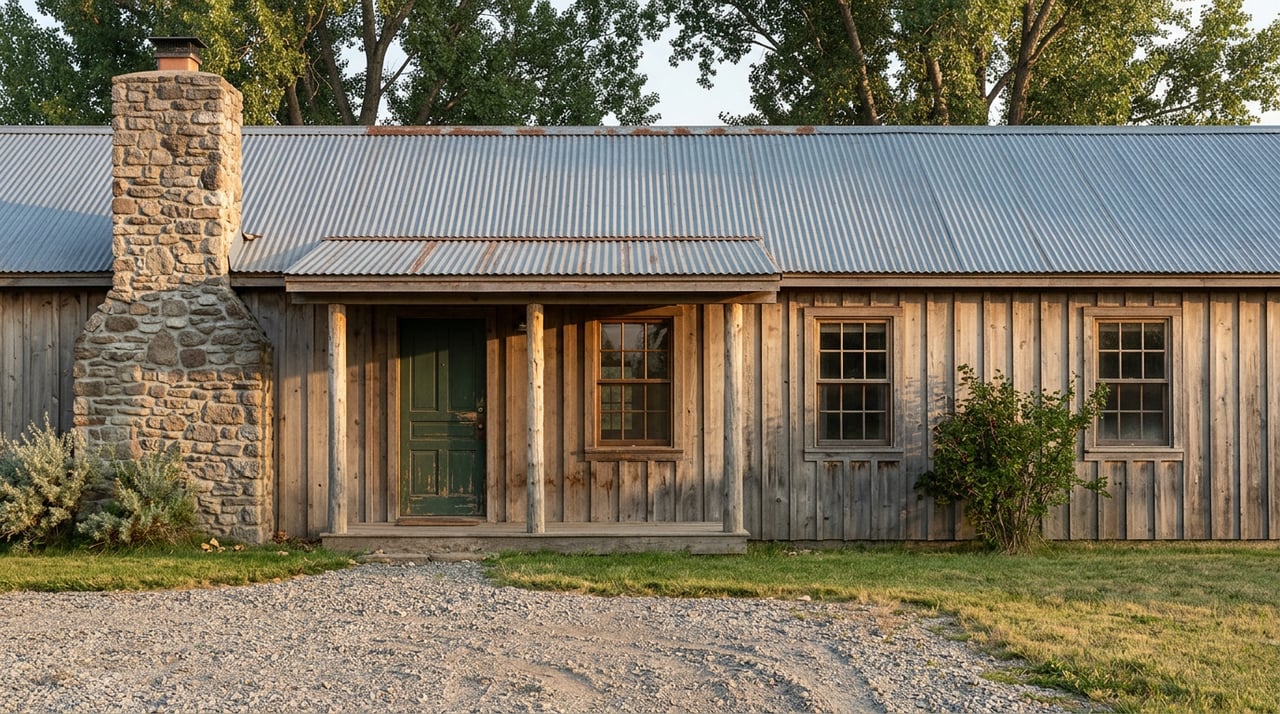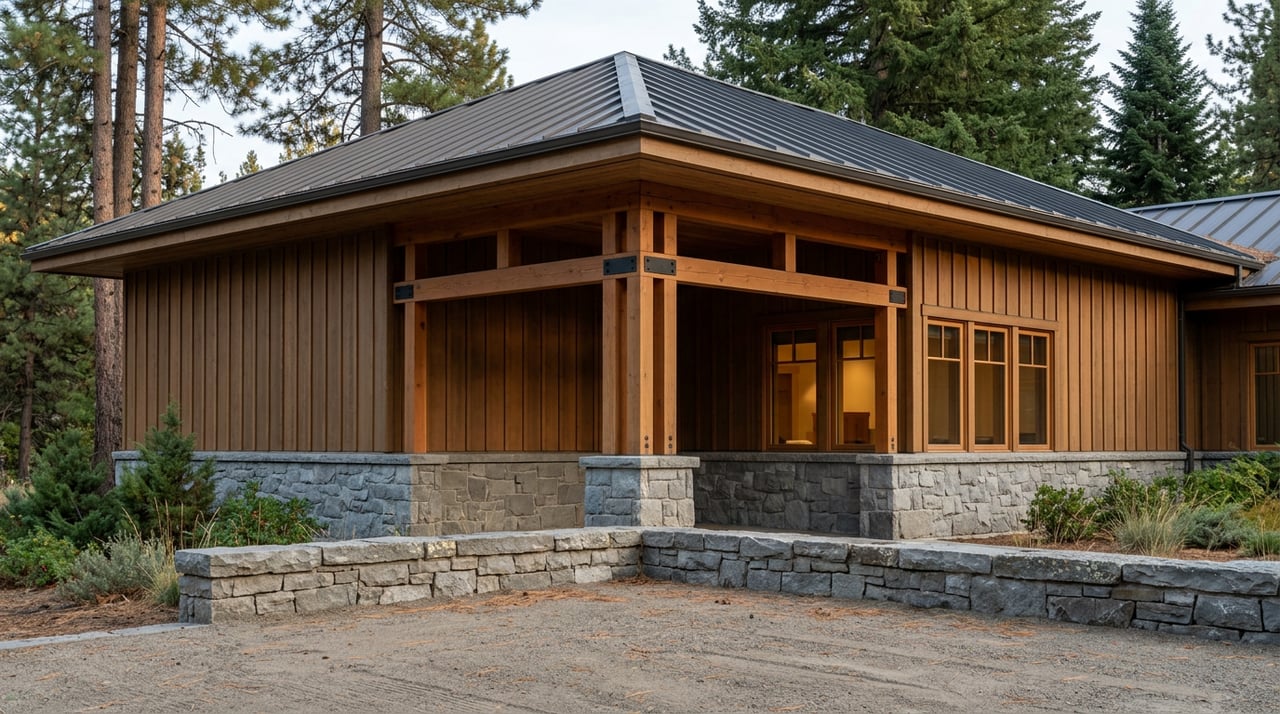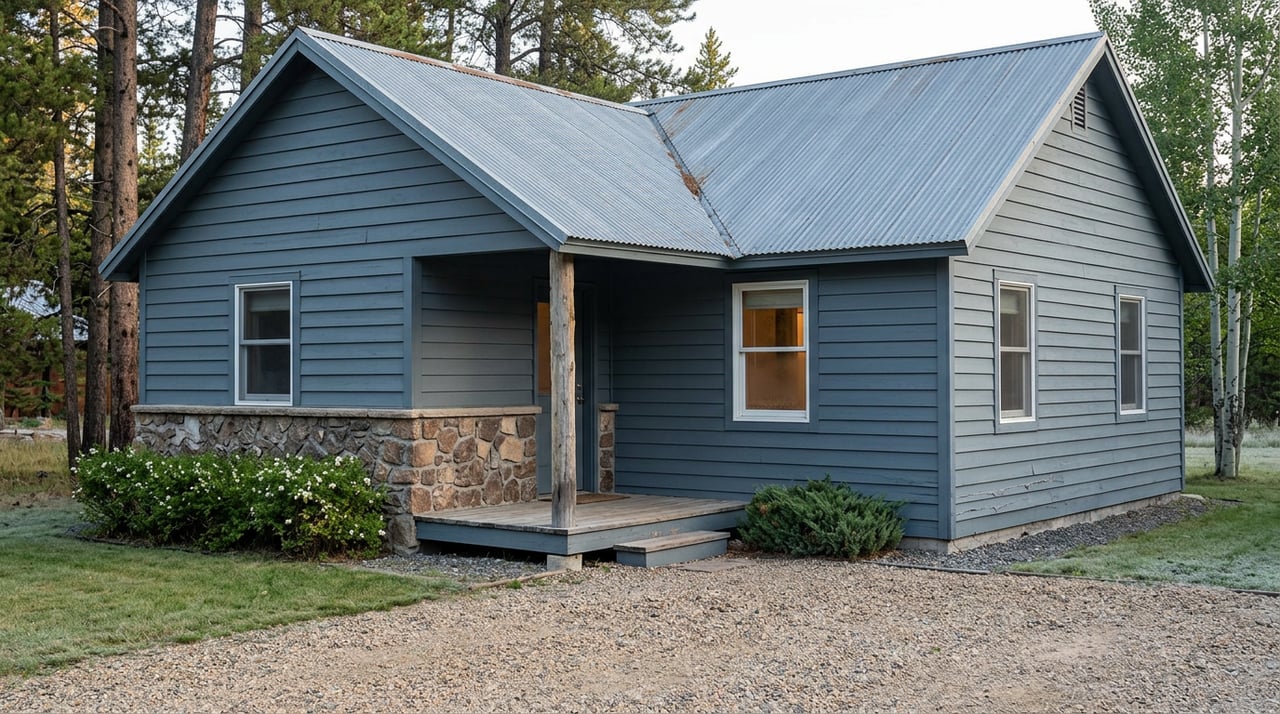
Two cabins on the same block in West Yellowstone can share the same square footage, the same finishes, and completely different rental futures. One clears its Public Accommodation License in a few weeks and starts taking bookings before the snow flies. The other sits inside a small platted section of town called the Madison Addition, where zoning has long ruled out non-owner-occupied tourist homes entirely. Nothing on the MLS sheet tells you which cabin you are looking at.
That is the piece buyers eyeing West Yellowstone as an investment tend to skip. They compare price per square foot and distance to the park entrance, then find out after closing that the address they bought, not the price they paid, is what actually decides whether the property pencils out.
A Named Exception That Doesn't Show Up on a Search
West Yellowstone is a small enough town that its zoning quirks have names locals just know. The Madison Addition is one of them. Rentals to non-owner-occupants, the tourist-home style stays that make up most short-term rental income, have not been permitted there. A buyer scanning listings by price or bedroom count would have no way to know they had wandered into that zone unless they asked, and the kind of buyer shopping from out of state, working off photos and a virtual tour, is exactly the kind of buyer least likely to ask before making an offer.
This is the first place the thesis of this piece shows up: the number that determines your rental income is not on the listing sheet. It is on the zoning map, and it does not move with the market.
Two Tax Systems, Stacked, With a Long Memory
Assume your address clears zoning. The next number that matters is not your nightly rate, it is what gets taken off the top before you ever see it.
Montana charges a combined 8 percent lodging tax on every short-term stay under 30 days, split evenly between a 4 percent sales tax and a 4 percent use tax on accommodations. On top of that, West Yellowstone adds its own resort tax, and the town's own finance page states plainly that the current rate stands at 4 percent, a 3 percent base plus a 1 percent add-on voters approved in 2019 specifically to fund infrastructure like wells, wastewater facilities, and street work. That brings the effective tax load on a booking to 12 percent before a host pays a cleaner, a property manager, or a mortgage.
The resort tax itself has been part of the town's operating budget since Governor Ted Schwinden signed the enabling legislation in May 1985 and West Yellowstone voters approved it that November. Collections began in January 1986, and the town has leaned on it ever since to keep other local costs down. As the town puts it on its own site, "Resort tax helps the Town pay for everything!" Snow removal equipment, the police department, the Hebgen Basin Fire Department, the library, even the Fourth of July fireworks, all draw from that same 4 percent.
For a buyer running numbers, the practical takeaway is simple. Whatever nightly rate you model, subtract 12 percent before you get to gross revenue, and remember the town remits this on a rolling monthly basis, due by the 20th of each month for the prior month's collections. That is a bookkeeping rhythm, not a closing-day formality.
The License Closing Never Mentions
A title company will walk you through property taxes. Nobody at closing hands you the paperwork for the license that actually lets you operate.
Montana requires every short-term rental host to hold a Public Accommodation License issued by the Department of Public Health and Human Services, and that approval does not come from a form you mail in. The application routes through your county sanitarian, who schedules a pre-opening inspection of the property covering things like potable water, wastewater disposal, and basic hygienic standards. If the property is new construction or a recent remodel, the state requires plan review approval before that inspection can even happen. Add in the state's guest registry requirement, and you have a licensing sequence that can take longer than most buyers expect if they assume the transaction ends at the closing table.
For a buyer planning to list by a specific date, whether that is ski season or a summer park-traffic peak, this sequence belongs on the calendar before the purchase agreement, not after.
The 30-Day Reset Almost Nobody Uses
Here is the lever most investment buyers overlook entirely. Montana's lodging tax framework exempts any stay of 30 continuous days or longer from both the state's sales and use tax and, by extension, the local resort tax that rides on the same definition of a taxable accommodation. Book a guest for 29 days and collect tax the whole stay. Extend to 30 and the entire booking falls outside both tax layers.
That distinction matters most in West Yellowstone's slower months, when a property owner weighing a string of short winter bookings against a single month-long rental to a traveling nurse, a seasonal park employee, or a remote worker riding out shoulder season can materially change what they keep, not by charging more, but by changing how the stay is structured.
Zoning Lines Move, Even in a Town This Small
The Madison Addition restriction is not necessarily permanent, and that cuts both ways for a buyer. West Yellowstone's Town Council held a public hearing on April 21, 2026, on Ordinance No. 281, which amends the municipal code by adopting an updated zoning map. The meeting was held at Town Hall on Yellowstone Avenue and streamed for anyone who could not attend in person, a small detail that tells you how directly accessible this process is if you want to watch it yourself.
The point is not that this specific ordinance changes rental eligibility. It is that a town this size revisits its zoning map often enough that a restriction you researched last year, or a restriction someone told you about secondhand, may not describe the parcel you are actually buying today. Before writing an offer on anything you intend to rent, verify the parcel's current zoning designation directly, not from a listing description or a general regulations summary, but from the town itself.
| What the listing shows | What actually decides your return |
|---|---|
| Price per square foot | Whether the parcel sits inside a rental-restricted zone like the Madison Addition |
| Estimated nightly rate | The 12 percent combined state and local tax load on every booking under 30 days |
| Move-in ready condition | Whether the Public Accommodation License and sanitarian inspection are already in place |
| Proximity to the park entrance | Whether a 30-day booking structure changes your tax exposure entirely |
What This Means Before You Write an Offer
None of this means West Yellowstone is a difficult place to buy a rental property. It means the due diligence that actually protects your return happens before the offer, not during a home inspection. Confirm the parcel's zoning designation with the town directly. Understand the full 12 percent tax stack going in, not after your first booking. Build the sanitarian inspection and license timeline into your closing schedule rather than treating it as paperwork you will get to later. And know that a 30-day booking structure is a real financial lever, not just a technicality buried in state code.
If you are weighing a West Yellowstone property against other gateway towns or resort neighborhoods in the Big Sky area, that is exactly the kind of parcel-level detail worth working through before you make an offer, not after. I have spent enough seasons in these towns to know which questions to ask the town clerk, the sanitarian's office, and the seller before your earnest money is on the line.
If you want to talk through a specific property, or see what is currently listed in West Yellowstone, reach out through BuyInBigSky and let's look at the parcel together, not just the price.
A Few Questions Buyers Often Ask
Does the Madison Addition restriction apply to long-term rentals too? No. The restriction on record applies to non-owner-occupied tourist homes, the short-term stay model. Rentals of 30 days or longer fall under a different category entirely, both for zoning purposes and for the state's tax exemption.
Is the Madison Addition the only zoning restriction in town? It is the one clearly documented in available regulatory sources. Given that West Yellowstone updated its zoning map as recently as April 2026, the safest approach is always to confirm current zoning for a specific parcel directly with the town rather than assuming a pattern applies townwide.
Who actually collects the resort tax, me or the booking platform? It depends on the platform and the arrangement. Some marketplace agreements cover state lodging tax collection automatically, but hosts remain responsible for confirming compliance and should keep their own records regardless of what a platform advertises, since the license and inspection requirements sit with the property owner, not the platform.