Dreaming about a place near Yellowstone that you can enjoy now and return to for years to come? West Yellowstone stands out because it offers direct access to one of the country’s most visited national parks, a more attainable price point than Big Sky, and real potential for seasonal use. If you are considering a second home here, it helps to understand how seasonality, housing mix, pricing, and local rental rules all shape the ownership experience. Let’s dive in.
Why West Yellowstone Draws Second-Home Buyers
West Yellowstone sits at Yellowstone National Park’s West Entrance, which the National Park Service identifies as the park’s busiest entrance. The town reports annual visitation of more than 4 million people, so this is not a sleepy mountain market disconnected from tourism flow. That steady interest is a big part of what makes the area appealing for second-home ownership.
For many buyers, the biggest draw is simple: proximity. Big Sky may serve as a Yellowstone base camp, but West Yellowstone sits right at the park’s edge. If your goal is easy access to the park and a true gateway-town feel, West Yellowstone offers a location advantage that is hard to ignore.
Seasonality Shapes Ownership
If you are buying a second home in West Yellowstone, you need to think beyond summer postcards. Yellowstone operates on a very seasonal access pattern, with most roads generally open from mid-April through October 31. Winter travel from mid-December through mid-March is mostly limited to guided snowcoach and snowmobile access.
That seasonality affects how you use the home, how guests may use it, and how you plan upkeep. West Yellowstone’s visitor information center is open year-round, and bus service from Bozeman runs all year, but the local airport is only serviced from early May to mid-October. In practical terms, this is a year-round ownership market with seasonal park access realities.
What seasonality means for you
A second home here can still work beautifully, but expectations matter. You may love the idea of summer park days, fall scenery, and winter recreation, yet ownership often requires more planning than it would in a less seasonal market.
You will want to think through:
- How often you plan to visit in each season
- Whether you want the option to host guests or pursue short-term rentals
- Winter property care, including snow removal and winterization
- Local support if you live out of state
West Yellowstone Housing Stock at a Glance
West Yellowstone’s for-sale housing mix looks different from more resort-heavy mountain towns. According to the town’s 2026 housing assessment, about 81% of MLS residential sales since 2004 have been single-family homes. Condos account for about 11%, townhomes about 7%, and de-titled manufactured homes roughly 1% to 2%.
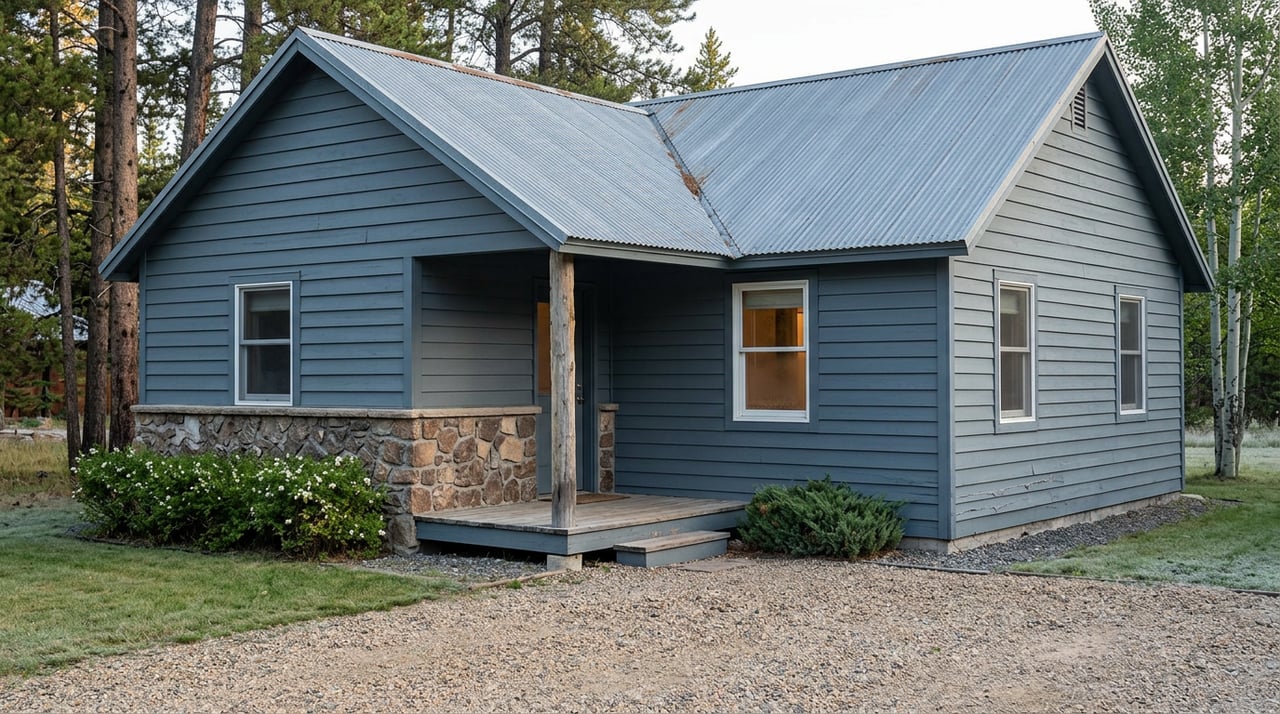
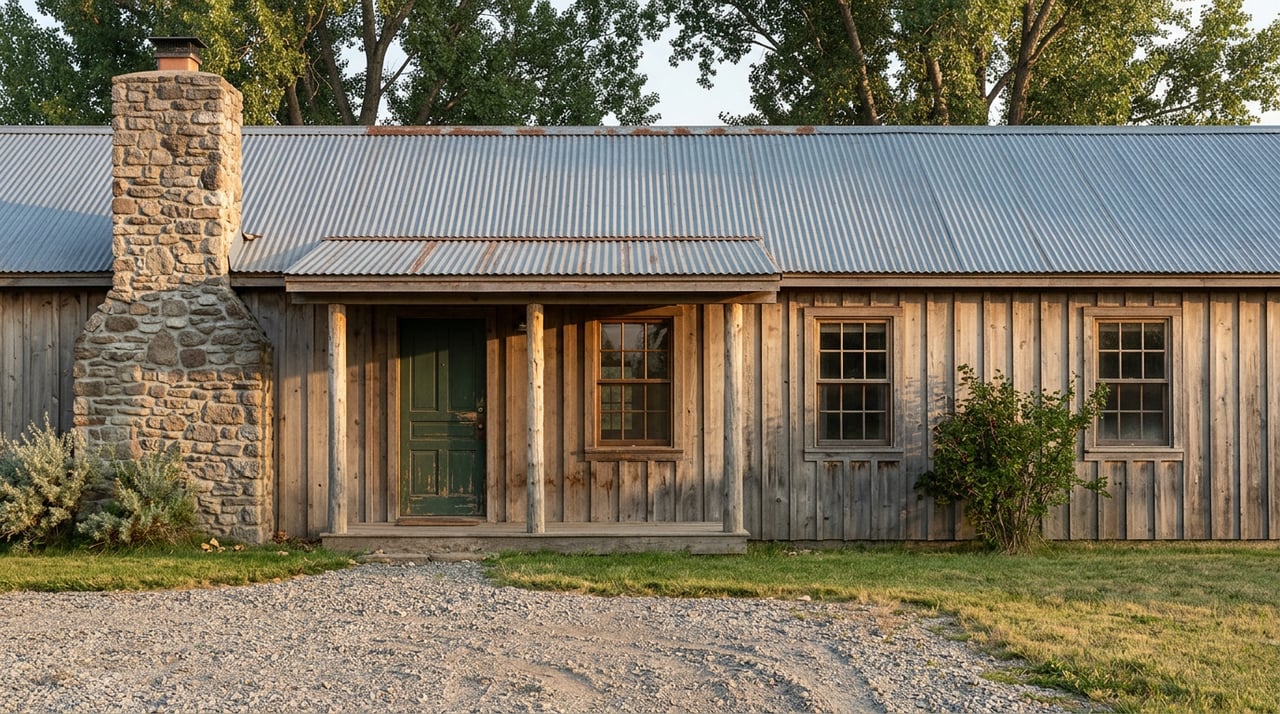
That matters because buyers sometimes begin their search expecting a broad menu of lock-and-leave condo options. In West Yellowstone, the market is still much more centered on traditional homes. Average single-family sale sizes typically range from 2,100 to 2,800 square feet, and three-bedroom homes make up about half of sales.
What this means for second-home buyers
If you want a detached home with space for family, gear, and longer stays, West Yellowstone may fit well. If you are hoping for abundant condo inventory or resort-style ownership formats, your choices may be more limited. The local market tends to favor buyers who are open to single-family living.
Current Pricing and Entry Points
One reason buyers compare West Yellowstone with Big Sky is price. The difference is meaningful. Realtor.com’s 59758 market page shows a median listing price of $935,000 in West Yellowstone, while Redfin reported a March 2026 median sale price of $607,000.
The town’s housing assessment adds useful long-term context. It shows single-family median sale pricing rising from about $298,000 in 2016 to a peak of $749,500 in 2022, with 2025 year-to-date median price around $462,500. These figures are not directly interchangeable with current listing data, but together they show a market that has appreciated over time while still offering a lower buy-in than Big Sky.
Live inventory shows a range
Current listings also show that West Yellowstone is not a one-price market. Zillow inventory reflects everything from a 0.32-acre lot listed at $145,000 to single-family homes around $649,000 to $1.9 million, plus a multifamily property listed at $2.494 million.
That range gives buyers options. You may be looking for a manageable second home, a future building site, or a property with a stronger income focus. West Yellowstone can support several ownership strategies, but each one calls for careful review of local rules and operating costs.
West Yellowstone vs. Big Sky
For many second-home buyers, this is the comparison that matters most. Big Sky operates in a much higher price band. Realtor.com’s February 2026 Big Sky overview shows a median listing price of about $3.995 million, and Redfin’s March 2026 data shows a median sale price of $2.55 million.
By comparison, West Yellowstone’s median listing price of $935,000 and recent median sale price of $607,000 point to a very different entry point. Big Sky’s median listing price is a little over 4.2 times higher than West Yellowstone’s current median listing price.
The tradeoff is not just price
Big Sky offers a more resort-heavy market and a different product mix, including more condos and townhomes. West Yellowstone offers closer proximity to the park and a lower cost of entry. If your priority is direct Yellowstone access and a traditional home at a lower price point, West Yellowstone may deserve a close look.
Can You Rent Out a Second Home?
This is one of the biggest questions buyers ask, and in West Yellowstone, the answer depends on more than demand. The town’s housing assessment estimates that as of December 2025, Airbnb alone listed about 242 homes or apartments in town, or roughly 25% of the housing stock. The same report notes that short-term rentals often produce higher returns than year-round leases.
That tells you rental demand is not a small side story here. It is a meaningful part of the market. But strong demand does not mean every property is equally suited for nightly rental use.
Verify zoning and property use first
West Yellowstone defines a short-term rental as overnight accommodations for less than 30 days. The town lists short-term rentals among permitted uses in the B-3 central business district, while accessory dwelling units in residential districts cannot be used as short-term rentals or timeshares.
The town’s business-license code also treats the lease or rental of residential facilities as a business. For buyers, that means you should confirm zoning, licensing requirements, and property-specific use restrictions before you count on rental income. It is a step worth taking early in the process.
Understand Taxes Before You Underwrite Income
If you are buying with rental income in mind, taxes need to be part of the math from the start. Montana says vacation rentals are subject to the 8% lodging facility sales and use tax, and online hosting platforms are required to collect and report those taxes.
West Yellowstone also has a local resort tax. The town’s resort-tax page says the current rate is 4%, while the Montana Department of Revenue’s general resort-tax page lists West Yellowstone at 3%. Because of that mismatch, buyers should verify the current effective rate and how it applies to a specific property and rental model before making projections.
A simple income-planning checklist
Before you assume a second home will offset costs, review:
- Whether the property’s zoning supports short-term rental use
- Any licensing or business registration requirements
- The current applicable resort-tax rate
- Montana lodging tax obligations
- Management, cleaning, snow removal, and winterization costs
Absentee Ownership Takes Planning
Many second-home buyers will not be in West Yellowstone full-time. That is common, but it does create extra layers of responsibility. In a market shaped by winter conditions, seasonal access, and visitor traffic, reliable local support can make a big difference.
The town’s resort-tax revenue helps fund services such as snow removal, police, fire, recreation, library, and infrastructure. Even so, from an ownership standpoint, you will likely want a clear plan for day-to-day oversight. For out-of-area owners, that often means arranging help with maintenance, storm response, and seasonal preparation.
Is West Yellowstone the Right Fit?
West Yellowstone makes the most sense for buyers who value park proximity, understand seasonality, and want a market that still offers a lower entry point than Big Sky. It may also appeal to buyers who prefer a traditional single-family home over a condo-heavy resort setting.
The key is buying with clear eyes. A second home here can be a lifestyle purchase, a seasonal retreat, or a property with rental potential, but success depends on matching your goals to the realities of access, inventory, zoning, and taxes.
If you are weighing West Yellowstone against Big Sky or trying to understand which ownership path makes the most sense for your lifestyle, working with a trusted local advisor can help you sort through the details with confidence. To explore second-home opportunities with thoughtful, local guidance, connect with Julie Blakeley.
FAQs
Is West Yellowstone a good place for a second home near Yellowstone?
- West Yellowstone appeals to second-home buyers because it sits at the park’s West Entrance, has strong visitor demand, and offers a lower price point than Big Sky.
What types of homes are most common in West Yellowstone?
- West Yellowstone’s housing market is mostly made up of single-family homes, which account for about 81% of MLS residential sales according to the town’s housing assessment.
Can you use a West Yellowstone second home as a short-term rental?
- Possibly, but you need to verify zoning, licensing requirements, and property type because not every property or district is suited for short-term rental use.
What taxes apply to short-term rentals in West Yellowstone?
- Montana applies an 8% lodging facility sales and use tax to vacation rentals, and West Yellowstone also has a local resort tax that buyers should verify before estimating income.
How does West Yellowstone compare with Big Sky for second-home buyers?
- West Yellowstone generally offers a much lower entry point and closer access to Yellowstone, while Big Sky is a higher-priced, more resort-oriented market.
What should out-of-state buyers know about owning in West Yellowstone?
- Out-of-state buyers should plan for seasonal access, winter property care, and local support for tasks like maintenance, snow removal, and winterization.