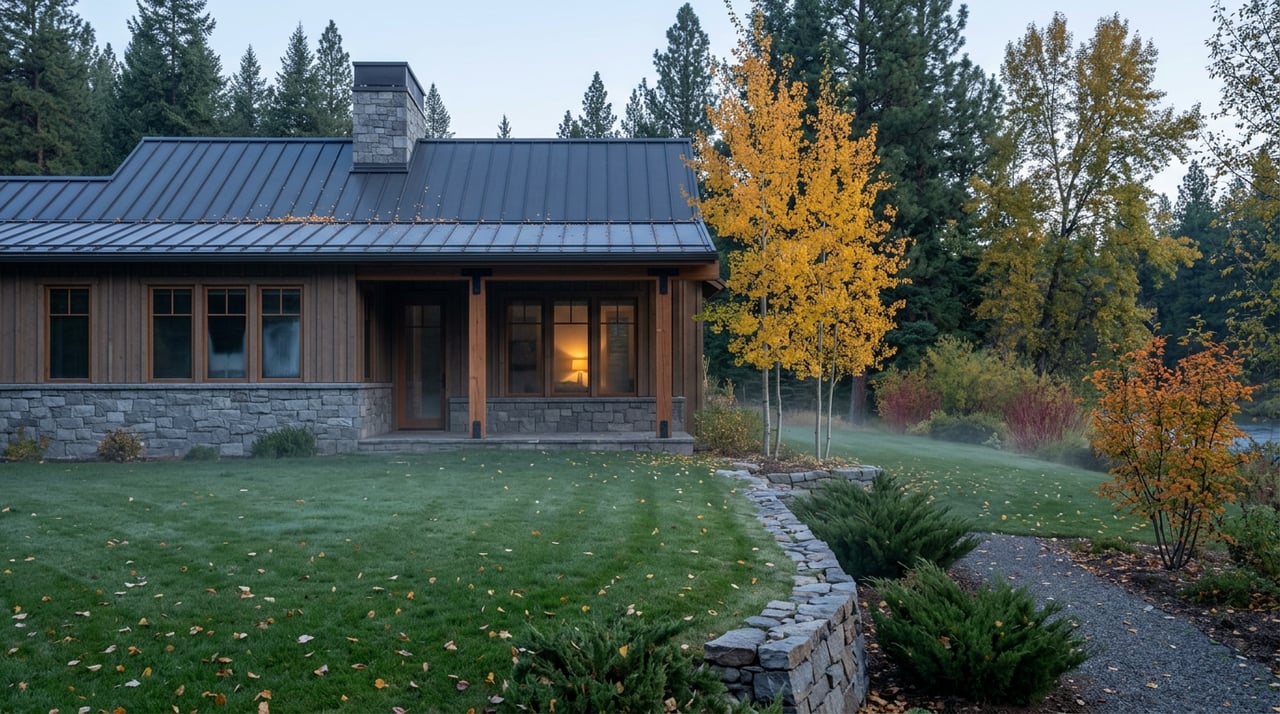
In 2020, a Gallatin Gateway property owner named Sandston applied for a routine variance: add a bathroom to her art studio. The county's Board of Health looked at her existing septic system first, as it's required to do whenever a permit changes, and found it out of compliance. Her well sat too close to her septic tank. The system had been approved in 1972, back when the rules were different. Nothing about her land had changed. The rules under it had.
The Bozeman Daily Chronicle covered her case as part of a broader problem the county sanitarian described at the time, and singled out Gallatin Gateway as one of the areas where old, small-lot septic systems most often fall out of step with current code. That pattern hasn't gone away, and in 2026 it now overlaps with a separate, brand-new wrinkle in how Montana handles the water half of the same equation. Buyers looking at well-and-septic property in Gallatin Gateway are walking into two systems of rules at once, one about what comes out of the ground and one about what goes back into it, and both changed more recently than most people assume.
The county side hasn't gotten easier
Most homes in Gallatin Gateway sit outside any municipal water or sewer system. A look at current listings along the corridor makes that plain. One recent Gallatin River-corridor parcel notes that "the septic system is installed" but that "well location has been identified and is the buyer's responsibility." Another, a century-old bungalow on acreage, lists "seasonal live water and valuable water rights" as a selling point in its own right, alongside horse fencing and a barn. Water access here isn't a utility line item. It's part of what the property is worth.
Septic sizing in Montana runs off bedroom count, not square footage. Add a bedroom, and the permitted system may no longer be adequate under current standards, even if it worked fine for the family that built it decades ago. Gallatin County's own wastewater permit archive goes back to January 1966, and plenty of parcels in the Gateway area are still running on systems permitted before today's setback rules existed. Nothing forces an upgrade until you touch the permit, whether that's a bathroom addition, a remodel, or a sale that triggers a new health department review. Buyers who assume an older system is "grandfathered and fine forever" are right until the moment they aren't.
What changed on January 1, 2026
Wells are where the newer complication sits. Most rural homes in this part of Montana rely on what the state calls an exempt well, a private well that doesn't require a full water rights permit because it falls under specific volume limits. For decades, the paperwork on an exempt well happened after the fact. You drilled, you used the water, then you filed a Notice of Completion with the Montana Department of Natural Resources and Conservation.
House Bill 681 flipped that sequence. As of January 1, 2026, anyone developing a new exempt well has to file a Notice of Intent to Appropriate Groundwater, DNRC Form 602I, before the water is put to use, not after. DNRC has ten business days to authorize or deny it. The fee is $400. And DNRC's own guidance is direct on the consequence: the department can no longer process the old Notice of Completion form without an authorized Notice of Intent already on file, unless that paperwork was already pending before the new year began.
| Before January 1, 2026 | Starting January 1, 2026 | |
|---|---|---|
| First step | Drill the well, then file Notice of Completion (Form 602) | File Notice of Intent (Form 602I) and wait for DNRC authorization |
| When approval happens | After the well is already in use | Before the water can be used |
| Fee | None for the completion filing | $400 for the Notice of Intent |
| Review window | N/A | Up to 10 business days |
| What can go wrong | Rare, since use had already begun | Application can be denied if the local groundwater basin's combined appropriation limit is already met |
That last row matters more in a corridor like Gallatin Gateway than in most places. DNRC's combined appropriation rule caps two or more groundwater withdrawals from the same source at 10 acre-feet per year, and for a multi-phase subdivision, every lot in that development shares the same 10-acre-foot ceiling to qualify as exempt. Small-lot development along Highway 191 has been steady enough that a buyer planning to drill on raw land can no longer assume the exemption is automatic. It has to be checked, and now it has to be approved before the well can legally be used, which adds real time to a construction or closing timeline that used to run on a much faster clock.
The water right itself is a separate question from the well
A water right and a well permit are not the same thing, and conflating them is where a lot of confusion starts. Montana treats a recorded water right as a form of property that can, in some cases, be sold or reserved apart from the land it once served. A deed that's silent on water rights generally lets an appurtenant right pass with the land under Montana law, but that legal default doesn't update the state's own ownership records, and it doesn't undo a previous severance if a past owner already sold or reserved the right separately. The only way to know for certain what a given parcel actually carries is to check DNRC's water rights record directly, not to assume based on how the property has been used.
State law backs this up procedurally. The Realty Transfer Certificate that accompanies every Montana property sale, required under Mont. Code Ann. § 85-2-424, must include a water rights disclosure stating whether water rights go with the land. That disclosure is completed at or before closing and stands apart from the newer general seller disclosure statute that took effect in 2023. Two separate forms, two separate legal requirements, both converging on the same closing table.
What this looks like in practice
For a buyer evaluating a Gallatin Gateway property with an existing well and septic system, the questions worth asking before writing an offer look like this:
- When was the septic system permitted, and does the bedroom count match what's currently listed? A mismatch can trigger a required upgrade at the buyer's expense.
- Is there a recorded water right tied to the parcel, and does the deed language actually name it, or is the seller assuming it transfers by default?
- If the property relies on an exempt well that hasn't been drilled yet, has a Notice of Intent been filed with DNRC, and has it been authorized?
- Is the parcel part of a larger multi-lot development that shares a combined groundwater appropriation limit, and how much of that 10 acre-feet has already been used by neighboring wells?
None of these show up on a standard listing sheet. They surface during due diligence, and increasingly, they surface because the state added a step that didn't exist a year ago.
FAQ
Does the new DNRC rule affect wells that are already in use? No. The Notice of Intent requirement applies to new exempt well development going forward. Existing, already-permitted wells aren't required to retroactively file the new form, though DNRC's own guidance notes it is actively reviewing how existing users in affected basins may be impacted by related decisions.
If a previous owner already sold the water rights separately, can a new deed restore them? No. Silence in a deed lets an appurtenant right pass by default, but it can't recreate a right that no longer exists because a prior owner sold or reserved it. The only way to confirm what's actually attached to a parcel is to pull the DNRC record directly.
Do all Gallatin Gateway properties rely on private wells and septic? Most do, since the community sits outside municipal systems, though the Gallatin Gateway County Water & Sewer District does serve wastewater treatment for part of the area. Anyone buying should confirm which system, if any, actually serves the specific parcel rather than assuming based on the neighborhood.
Water and septic paperwork in Gallatin Gateway rewards the buyer who asks these questions in week one of a transaction, not week six. If you're evaluating a property here and want a clear read on what's actually attached to it before you write an offer, Julie Blakeley at BuyInBigSky can walk through the well, septic, and water rights history on a specific parcel with you.