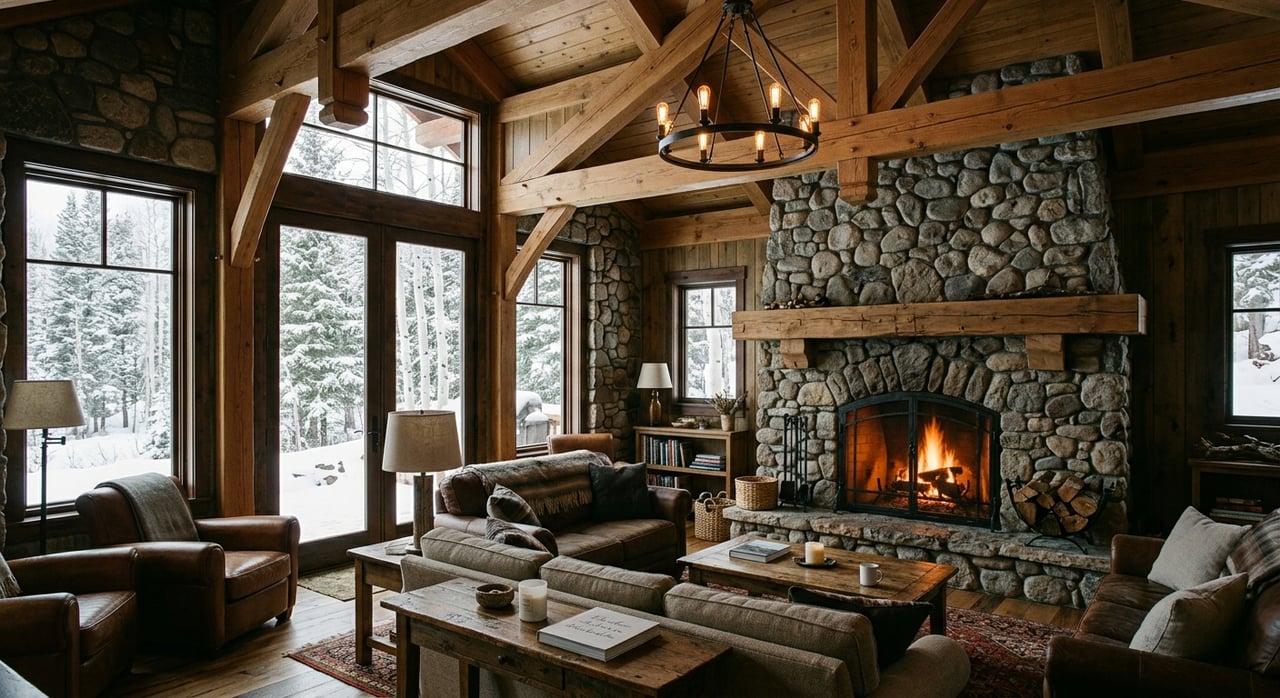
What if the best time to buy or sell in Big Sky depends less on the calendar and more on what you need to see, feel, and verify? In a resort community shaped by snow, summer activity, and quieter shoulder seasons, timing can change how easily you tour homes, how a property presents, and what daily life actually looks like. If you are planning a move, a second-home purchase, or a sale in Big Sky, understanding the seasons can help you make better decisions with fewer surprises. Let’s dive in.
Why seasonality matters in Big Sky
Big Sky is not a market where the seasons sit quietly in the background. It is a high-elevation resort community, with the Meadow Village and Town Center area at about 6,200 feet and Lone Mountain rising to 11,166 feet. That setting affects access, activity levels, and the overall real estate experience throughout the year.
The local rhythm also shifts with visitor patterns. Big Sky’s year-round population is about 2,500, then rises to roughly 3,000 to 4,000 during winter and summer peak periods. Winter is the busiest season, especially around Christmas and from February through March, while late June through August brings another strong wave of activity.
For buyers and sellers, that means seasonality is not just a travel detail. It shapes demand, showing conditions, and what you can realistically evaluate when you step onto a property.
How winter changes the buying experience
Winter is often the season that first draws buyers to Big Sky. Big Sky Resort’s winter 2026-27 season is scheduled to run from November 25, 2026 through April 11, 2027, conditions permitting, and winter is widely recognized as the busiest time of year. If you are visiting to explore real estate during ski season, you are seeing Big Sky in one of its most active and defining moments.
That can be helpful if your goal is to buy a ski-season base. You can experience the pace of winter, the flow of resort activity, and how a home functions during cold-weather use. Average winter temperatures are about 25 degrees Fahrenheit, so snow, ice, and cold conditions are part of the normal showing environment.
At the same time, winter touring requires a practical mindset. Travel logistics matter more, weather can change quickly, and road conditions may affect how many properties you can see in a day. If you are flying in, Bozeman Yellowstone International Airport is about 45 miles north of Big Sky, and local guidance recommends renting a car for flexibility because public transportation is limited.
For many winter buyers, the first question is simple: how well does this property work for ski season? That often comes before summer entertaining, landscaping, or even broader regional travel plans. Yellowstone is nearby, but winter park access is more limited because most roads are closed to regular vehicles from early November to late April.
What winter helps you evaluate
Winter can give you a very honest picture of day-to-day function. It is a strong time to look at how easily you can access the property, how practical the arrival feels in snow, and whether the home matches your cold-weather lifestyle.
You may also get a clearer sense of whether a property feels like a true winter retreat or simply a home that happens to be in a mountain market. In Big Sky, that distinction matters.
What winter can hide
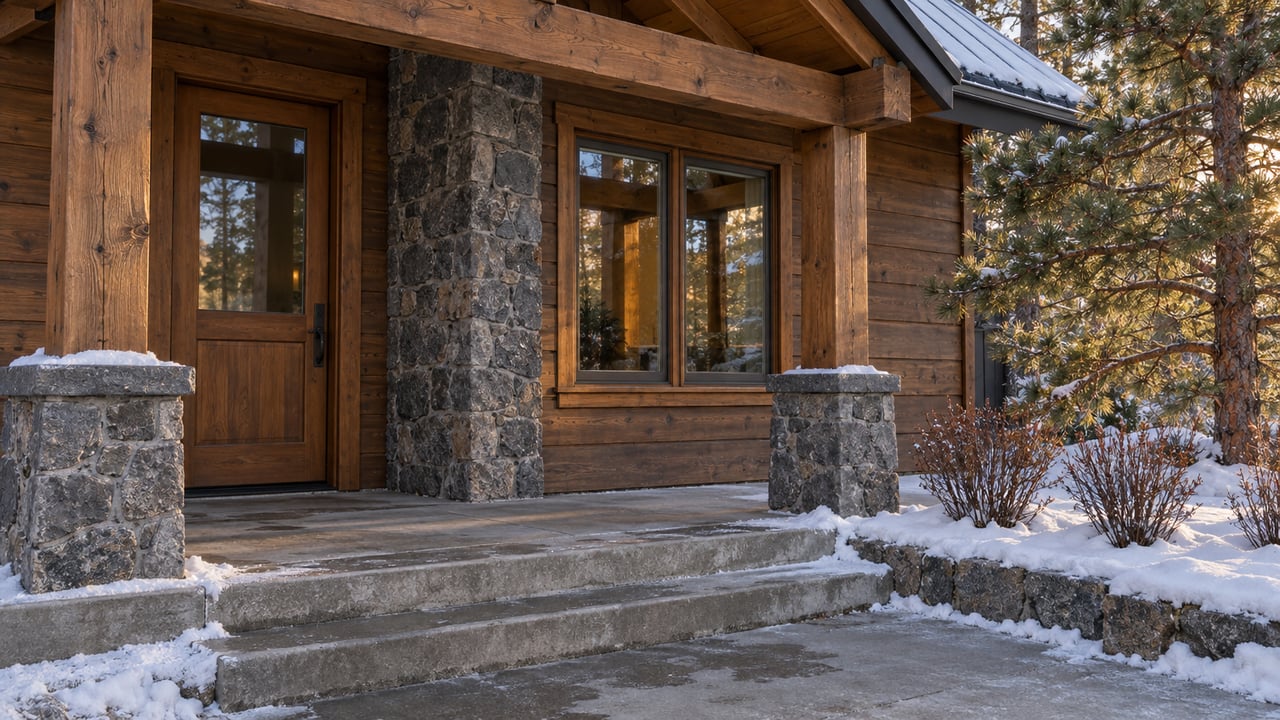
Snow can also limit what you are able to assess. Exterior materials, landscaping, site orientation, and some outdoor living features may be harder to understand when the ground is covered. If views, outdoor space, or the relationship between the home and the terrain are central to your decision, winter may not tell the whole story.
How winter affects sellers
For sellers, winter can bring motivated buyers, but preparation matters. In a place where snow and ice are expected, presentation should focus on function first. Clear driveways and walkways, good lighting, warm interior conditions, and flexibility around showings can all help a property feel easier and more welcoming to tour.
Winter can also work in your favor when your home shines as a cold-weather property. If the setting, layout, and access support ski-season living, buyers can experience that value in real time. In some cases, winter helps a home tell its story more clearly than any photo ever could.
Still, it is important to remember that some exterior features may be hidden. If your property’s value is tied in part to landscaping, outdoor dining areas, or warm-weather use, those benefits may need more context during the winter months.
Why summer offers a different lens
Summer is the other major season in Big Sky, with late June through August standing out as one of the busiest periods of the year. Big Sky Resort’s summer 2026 season opened June 13 and runs through September 13. During July and August, average temperatures reach the mid-70s to upper 80s, with evenings cooling to around 60 degrees.
For many buyers, summer is the easiest season to understand how a property works beyond ski season. Roads are generally easier to navigate, the surrounding landscape is fully visible, and the broader resort setting is active. That can make it simpler to compare neighborhoods, tour more efficiently, and picture daily use.
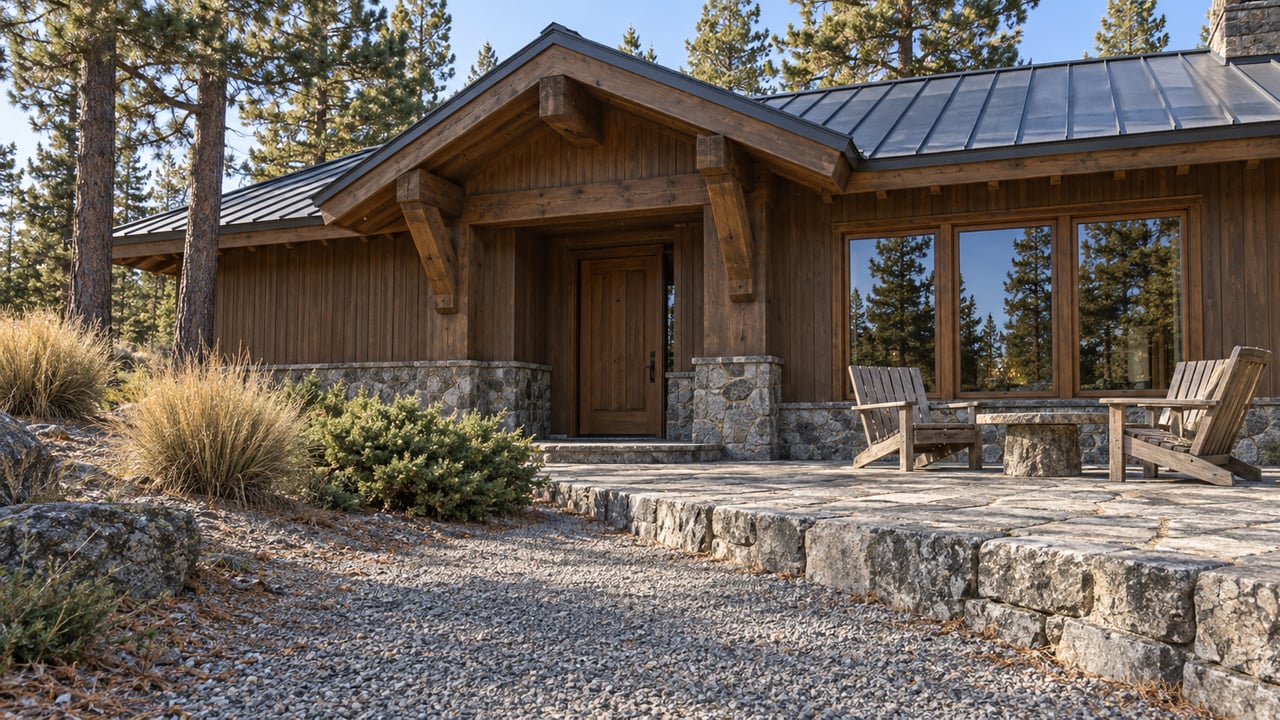
Summer also reveals the lifestyle side of Big Sky in a way winter cannot. You can better assess decks, patios, landscaping, outdoor dining areas, and how the home sits within the terrain. If recreation, entertaining, or year-round livability are high on your list, summer often provides the clearest view.
What summer helps buyers see
Summer is especially useful when you want to judge the full setting of a property. Features that are hidden by snow in winter become much easier to evaluate, including view lines, trail proximity, outdoor gathering space, and the transition between the home and the land around it.
It is also a strong time to understand whether a property feels like a part-time retreat, a primary residence, or both. That broader lifestyle perspective can be very valuable if you are comparing homes across Meadow Village, Mountain Village, or other Big Sky areas.
How summer benefits sellers
If you are selling, summer often gives you the best chance to showcase the full visual appeal of your property. Buyers can see exterior finishes, landscaping, decks, patios, and the overall setting more clearly. In a market where outdoor living and mountain views matter, that visibility can make a meaningful difference.
Summer also tends to make showings easier to schedule and navigate. Visitors may be able to experience more of Big Sky in a single trip, which can help them connect the home to the lifestyle they are seeking. When a property is meant to function as more than a winter base, summer can tell that story well.
What shoulder seasons reveal
Spring and fall are the quieter shoulder seasons in Big Sky. They tend to be less busy, but also more unpredictable. Local guidance notes that spring can still be a strong time for skiing, with some of the best snow historically arriving in April, while fall offers a quieter period with fewer crowds in the wider region.
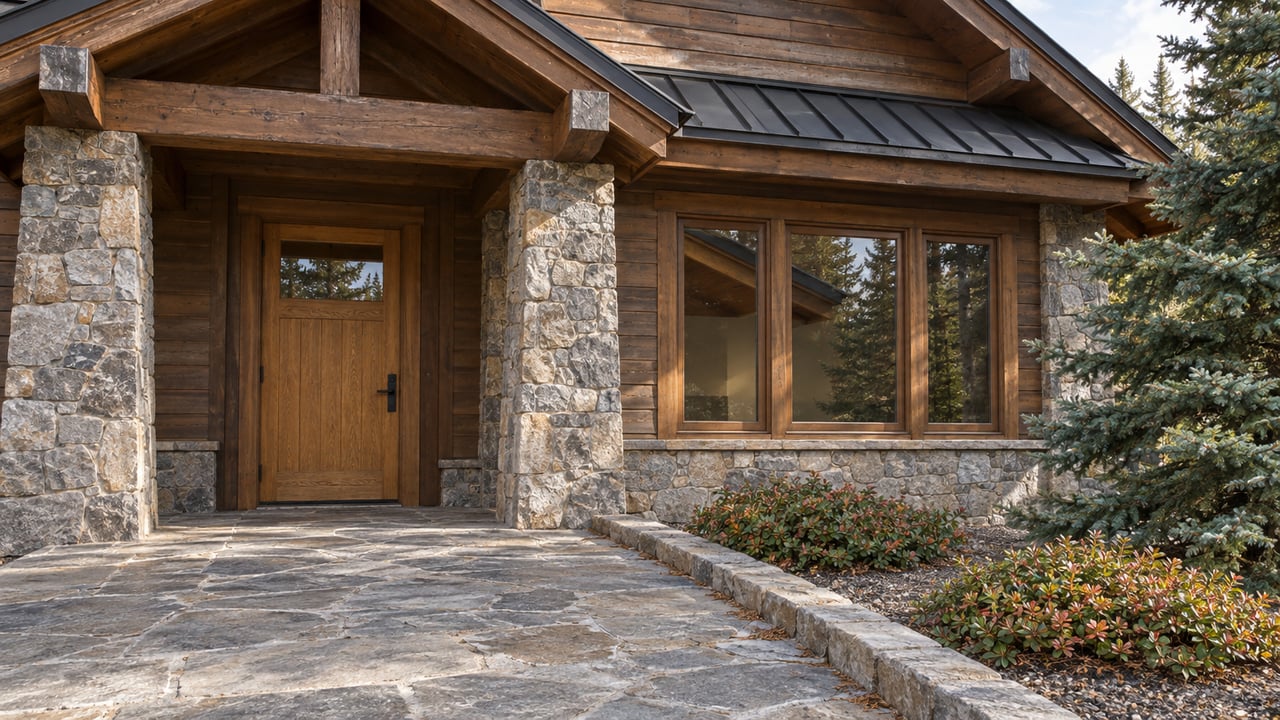
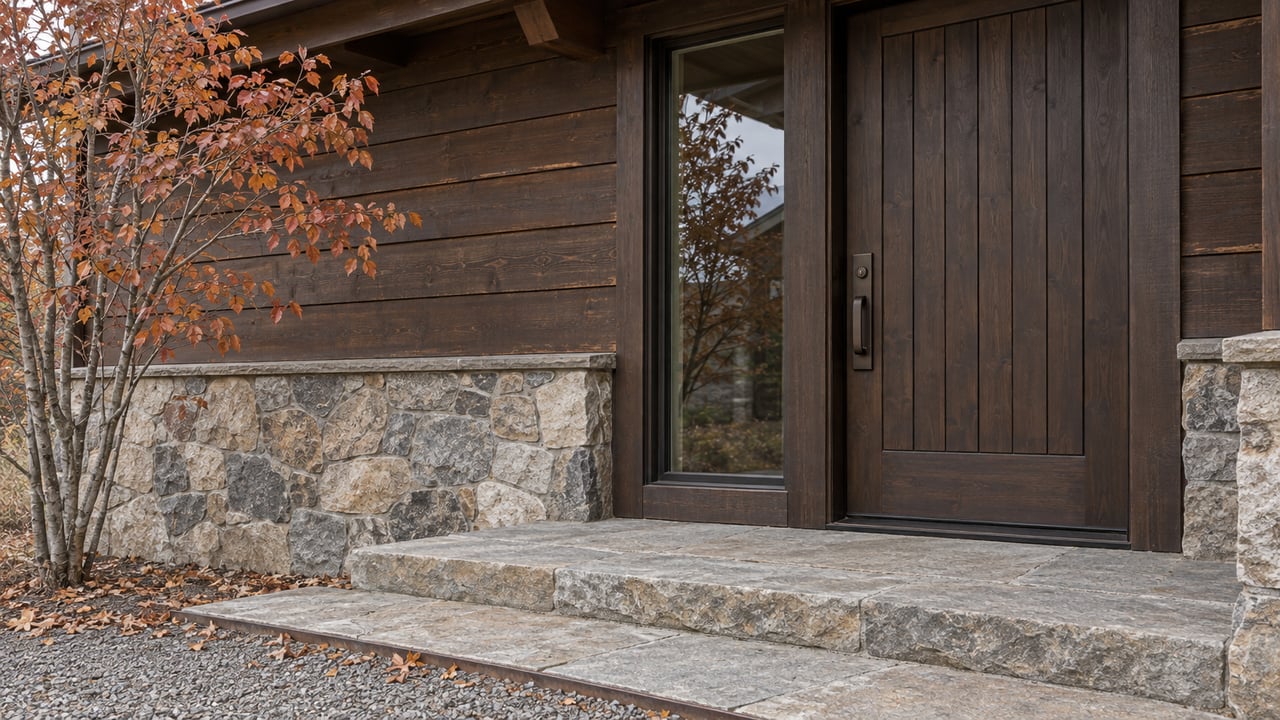
For real estate, shoulder seasons can be surprisingly useful. With fewer visitors and less peak-season energy, you may get a more grounded feel for the property and the pace of life around it. Showings can feel less rushed, and it may be easier to notice practical details that get lost during busier times.
There are tradeoffs, though. Some local businesses may operate on shorter hours and with smaller staffs during spring and fall. That means buyers should confirm transportation, restaurant hours, and service availability rather than assume the same level of activity they would see in winter or summer.
Why shoulder seasons matter for buyers
If you want to know how a home feels outside the resort spotlight, shoulder seasons can be a smart time to visit. You may be able to better judge noise levels, traffic patterns, and year-round usability when the area is less crowded. That can be especially helpful if you are considering a primary residence or want a property that works comfortably beyond peak travel periods.
Why shoulder seasons can help sellers
For sellers, quieter seasons may offer a chance to stand out. With less visitor traffic, there may also be less competition for attention. A well-prepared home can benefit from that calmer environment, especially if it appeals to buyers who value flexibility and a more measured touring experience.
The three seasonal factors to watch
No matter which side of the transaction you are on, Big Sky’s seasons tend to shape real estate in three main ways: access, demand, and presentation.
Access
Weather and travel conditions can change how easy it is to reach Big Sky and move around once you arrive. Winter often requires more planning, while summer usually allows for easier touring. Shoulder seasons may offer flexibility, but they also call for more confirmation and backup planning.
Demand
Buyer activity is not the same year-round. Winter brings ski-driven urgency and peak visitation, while summer attracts another busy wave of buyers and visitors. Spring and fall are quieter, which can create a very different pace for both tours and decision-making.
Presentation
A home does not look or feel the same in January as it does in July. Snow can highlight winter function but hide outdoor features. Summer can showcase views, land, and entertaining space. Shoulder seasons can offer a more everyday view of how the property lives.
Choosing the right season for your goals
If you are buying, the right time to visit depends on your priorities. Winter is ideal if ski access, snow-season function, and mountain energy are at the top of your list. Summer is often best if you want to evaluate outdoor living, setting, and year-round lifestyle. Shoulder seasons can be valuable if you want a calmer, more practical look at day-to-day usability.
If you are selling, the strongest listing window often depends on what your home does best. A ski-oriented property may make its best impression in winter, while a home with strong outdoor space or visible land features may benefit from summer exposure. In quieter seasons, thoughtful preparation can help your property stand out to serious buyers.
In a market like Big Sky, timing is part of strategy. The most successful decisions usually come from matching the season to the story you want a property to tell.
If you are thinking about buying or selling in Big Sky, working with a local guide can make the seasonal picture much clearer. Julie Blakeley brings decades of Big Sky experience and a calm, personalized approach to helping you time the market, evaluate properties, and move forward with confidence.
FAQs
How does winter affect home showings in Big Sky real estate?
- Winter showings in Big Sky often involve snow, cold temperatures, and changing road conditions, so buyers and sellers should expect access and presentation to be shaped by normal winter weather.
When is the busiest season for Big Sky real estate activity?
- Winter is the busiest season in Big Sky, especially around Christmas and from February through March, while late June through August is another major peak period.
Why is summer helpful for buying a home in Big Sky?
- Summer makes it easier to see outdoor spaces, views, landscaping, and how a home fits the surrounding terrain, which can be harder to judge in winter.
What should buyers expect during Big Sky shoulder seasons?
- Spring and fall are generally quieter and can offer a calmer touring experience, but buyers should expect more unpredictability with weather, business hours, and service availability.
How do Big Sky seasons shape a seller’s listing strategy?
- The best timing often depends on the property’s strengths, since winter can highlight ski-season function, summer can showcase outdoor living, and shoulder seasons can help a well-prepared listing stand out.